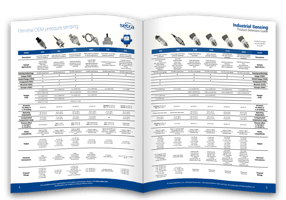




Airborne Infection Isolation (AII) rooms, commonly called negative pressure rooms, are single-occupancy patient care spaces designed to isolate airborne pathogens to a safe containment area. AII rooms are a specialized application of a hospital’s HVAC system, where the airflow supplied into the room is balanced with exhaust airflow to create at least -0.01” WC negative differential pressure with respect to an adjacent space, usually the hallway or an anteroom. In simple terms, this provides a gentle flow of air under a closed doorway and into the room so that no airborne particulates escape into nursing staff or public areas. Exhaust from these rooms is not recirculated in the HVAC system. Instead, exhaust air typically moves in dedicated ductwork to ventilation stacks on the rooftop, where atmospheric air provides sufficient dilution to make the resulting air safe.
May 02, 2016
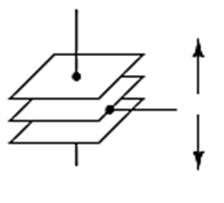
How to Measure Capacitance?
Whether you are an engineer or a consumer, many daily applications involve capacitance. Capacitance can be measured using a capacitor, however it is not as simple as that. There are three different methods in which the capacitor measures capacitance.

Companies often resist change, especially when lacking direction, a defined end goal, guidance and leadership. It should be a top priority for executives to cut costs and streamline operations. However, there may be several emerging barriers for companies to overcome in order to begin investing in energy management.
April 11, 2016
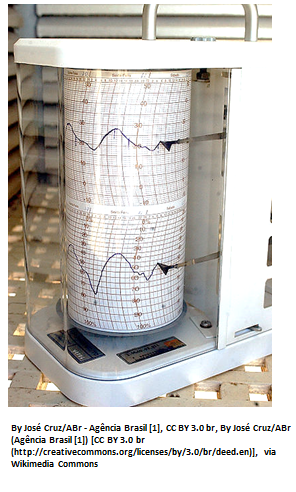
How Is Humidity Measured?
The accurate measurement of humidity is important in many HVAC/R applications. Relative Humidity (RH) is a measure of the ‘actual humidity’, relative to the maximum possible humidity at a given temperature. RH sensors contain an assembly that is made up of an integrated sensor and transmitter. The sensor measures the RH while the transmitter creates an output signal proportional to the sensed RH. There are two common types of humidity sensing elements that are most widely used; Capacitive and Resistive.
April 04, 2016
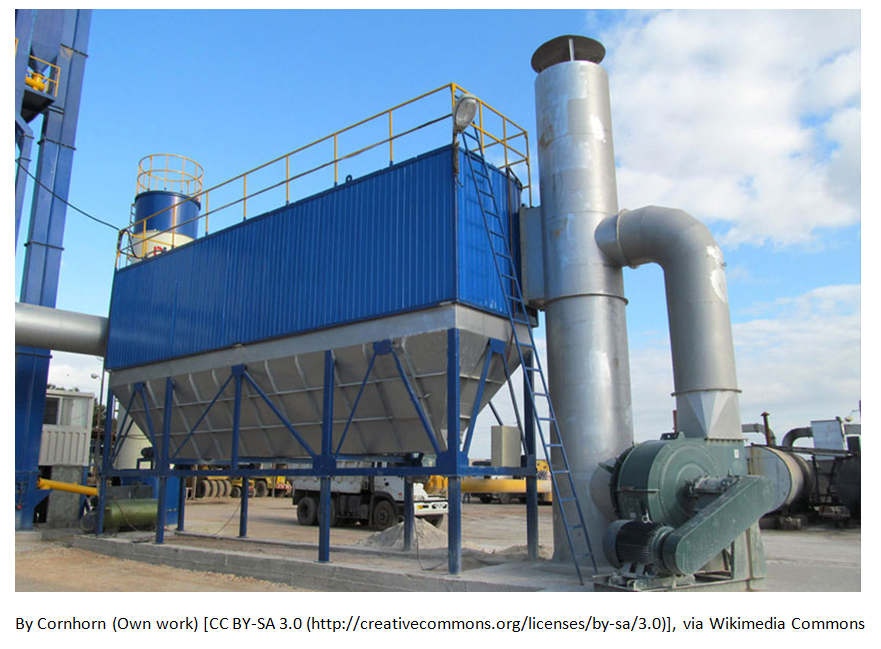
3 Types of Filters for Liquid Processing
When selecting a filter it is important to select the proper filter type, not only for removing undesirable material from a liquid stream but to ensure the filter meets the needs and requirements of the system. Proper filter selection can be varied amongst industrial applications including water filtration, boilers, and irrigation. Filter selection not only encompasses the media and size of the particle that is being captured, but operational costs also come into play. Below three basic filter types to consider for liquid processing:

March 28, 2016
What is Hydrogen Embrittlement?
Hydrogen is used as a process media across many different industries and applications. Used in OEM equipment, pressure sensors play an important role in the safe, efficient, and reliable operation in material handling equipment, power generation, hydrogen production/distribution and many other applications.

March 21, 2016
What can contaminate a cleanroom?
There is no guarantee of a perfect, contaminant free cleanroom. However by adhering to room pressure requirements, proper gowning procedures and by understanding the origins of the contaminants, users can minimize contamination risk to ensure safe testing and manufacturing environment. These are some of the things you may not have realized can compromise a cleanroom, and some possible ways to reduce the contamination of the source.

March 07, 2016
What is CRC Error?
A Cyclic Redundancy Check (CRC) error is an error-detecting code used to identify accidental changes to raw data in digital networks and storage devices.
Cyclic Redundancy Check (CRC) Error indicates when data is corrupted. Calculating from all data, CRC validates packets of information sent by devices and verifies it against the data extracted, ensuring its accuracy. When sending packets over, BACnet automatically calculates and stores a CRC value for the packet. Later when the packet is received, BACnet calculates the CRC value of the packet and compares it to the original value. If the two values do not exactly match a CRC error occurs.

February 19, 2016
HVAC Trends 2016
2016 is all about thinking smarter, with the integration of devices and innovation working together to improve a process rather than focusing on a single technology or behavior. Businesses are thinking smarter by developing extensive resource management strategies to drive cost savings. From intelligent buildings to waste management, this year’s energy management trends can give companies a real competitive advantage, especially in a time of changing energy grids, rising water prices, and tighter regulation.
February 01, 2016
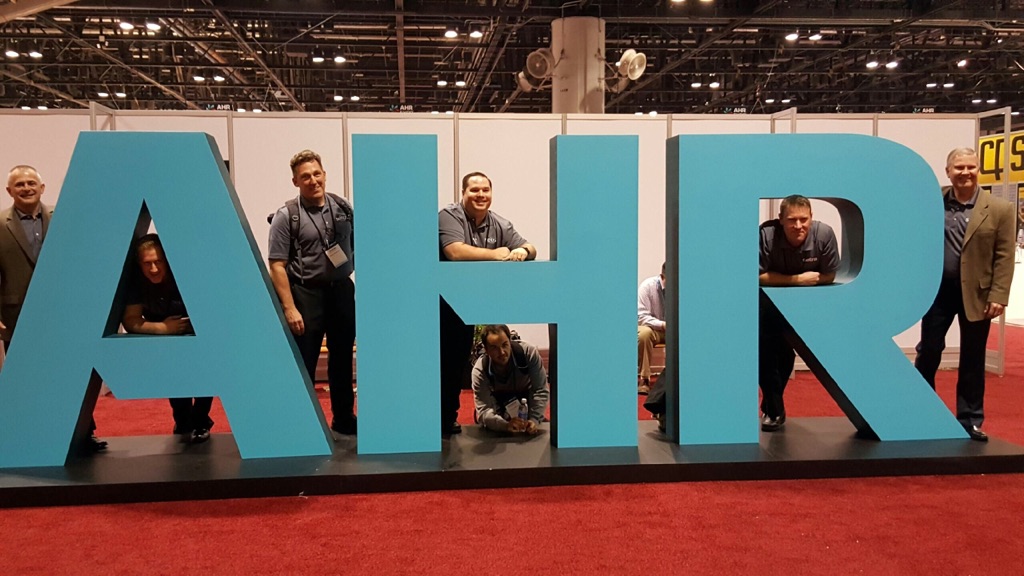
The AHR 2016 Experience
Thank you to all who visited us at Booth 1244 in the Building Automation and Controls section of the AHR Expo this year in Orlando, Florida. We enjoyed seeing both new and familar faces! The world's largest HVACR event was anything but boring and we think the 60,000 attendees would have to agree.