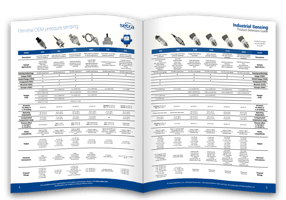




https://www.setra.com/products/pressure/model-asl-high-accuracy-pressure-transducerWith the growing requirements of building maintenance, HVAC systems are no longer able to meet demand operating alone. Whether it is a commercial, retail or industrial building, pressure sensors play a significant role in monitoring the building for occupants’ safety and comfort. When integrated with pressure technology, HVAC systems can operate at optimum levels as well as improve building maintenance. Three ways this can be done are:

August 08, 2016
How To Make Room In Your Budget For Energy Management
Integrating energy management into your company’s budget is a challenging task. There are many reasons why companies today are not investing in energy management. Many owners view investments in as an expense rather than an investment. Energy costs often account for the largest portion of a company’s expenditures yet many don't realize that an energy management program can save money and provide an immediate ROI. We understand that budgets are tight, however by being creative with your budget there are several steps that can be taken to save money in order to invest in energy management.
July 25, 2016
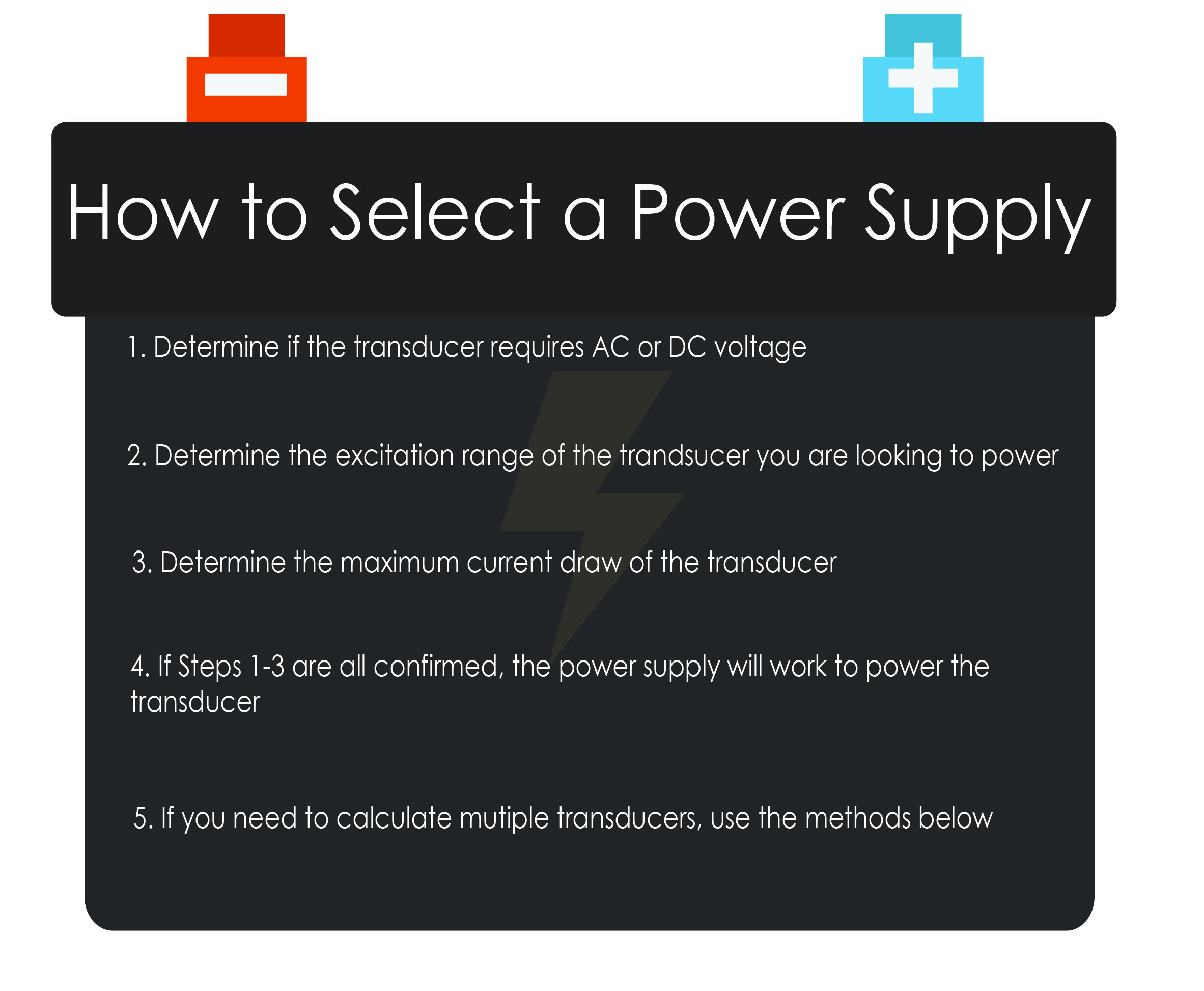
How to Select a Power Supply
After selecting your pressure transducer, it is now time to select a power supply. It is important to select the proper power supply to ensure all components are functioning properly and recording accurate data.
July 14, 2016
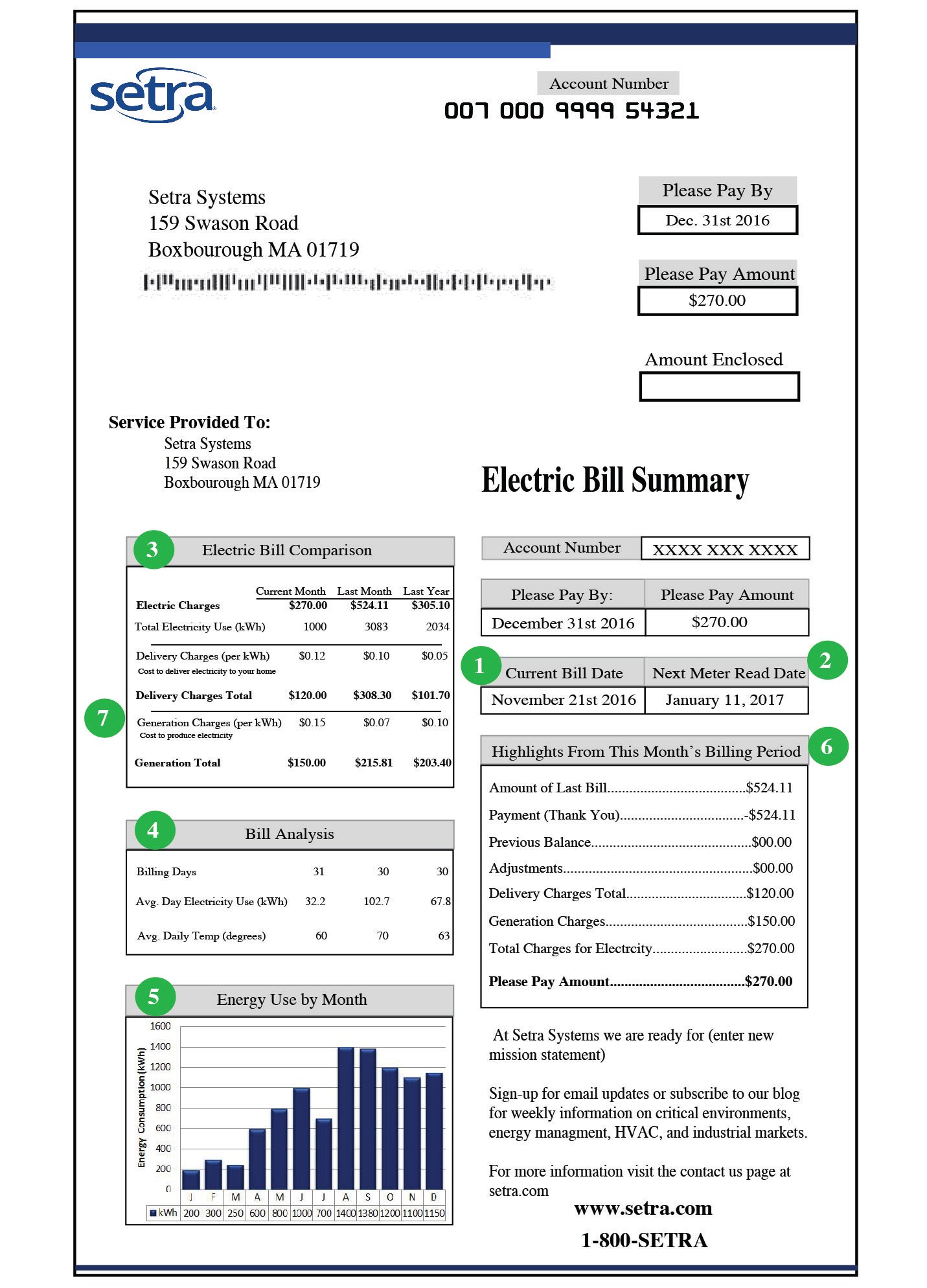
How to Read Your Electric Bill
Has your electricity bill ever been higher than expected? Rather than blindly paying the amount, we will help you understand and breakdown the important areas of your bill.
Identifying where your money goes in your energy bill can allow you to better manage energy consumption and develop plans for cost savings.
June 30, 2016
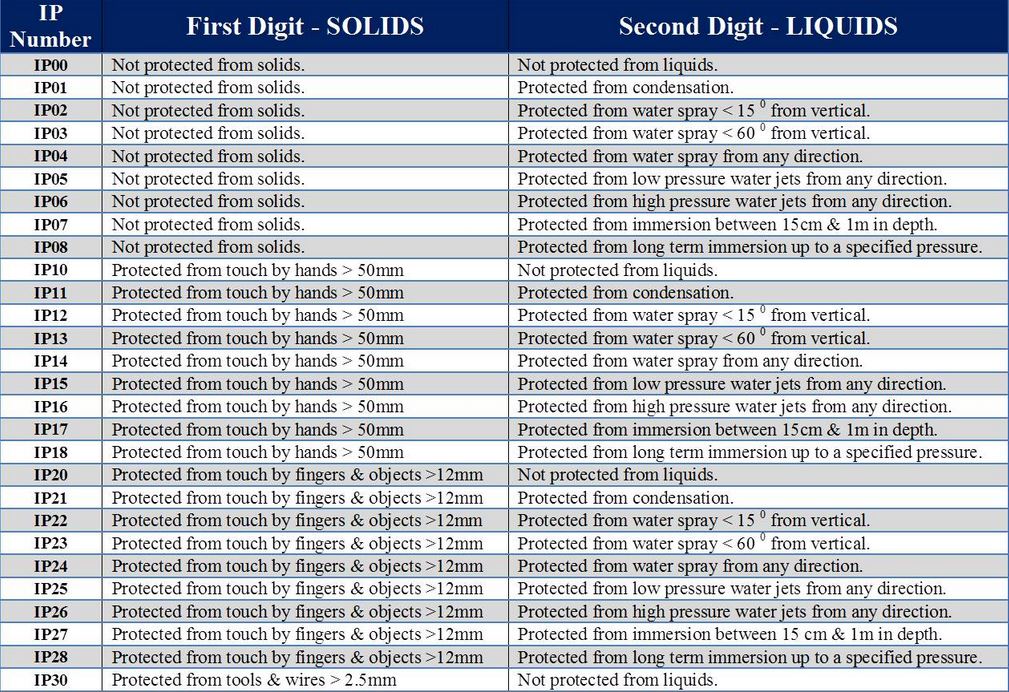
IP Rating Chart
IP Rating, commonly known as International Protection Rating or Ingress Protection Rating, is used to define levels of sealing effectiveness and degrees of protection against substances in electrical enclosures. Examples of substances include tools, dirt, moisture, dust and water. IP ratings are defined by the international standard EN 60529 (British BS EN 60529:1992, European IEC 60509:1989). The table below provides examples of IP ratings.

June 23, 2016
How to Interpret an IP Rating Chart
IP Ratings are used to define levels of sealing effectiveness and degrees of protection against substances in electrical enclosures. Ratings are defined by the international standard EN 60529 (British BS EN 60529:1992, European IEC 60509:1989).
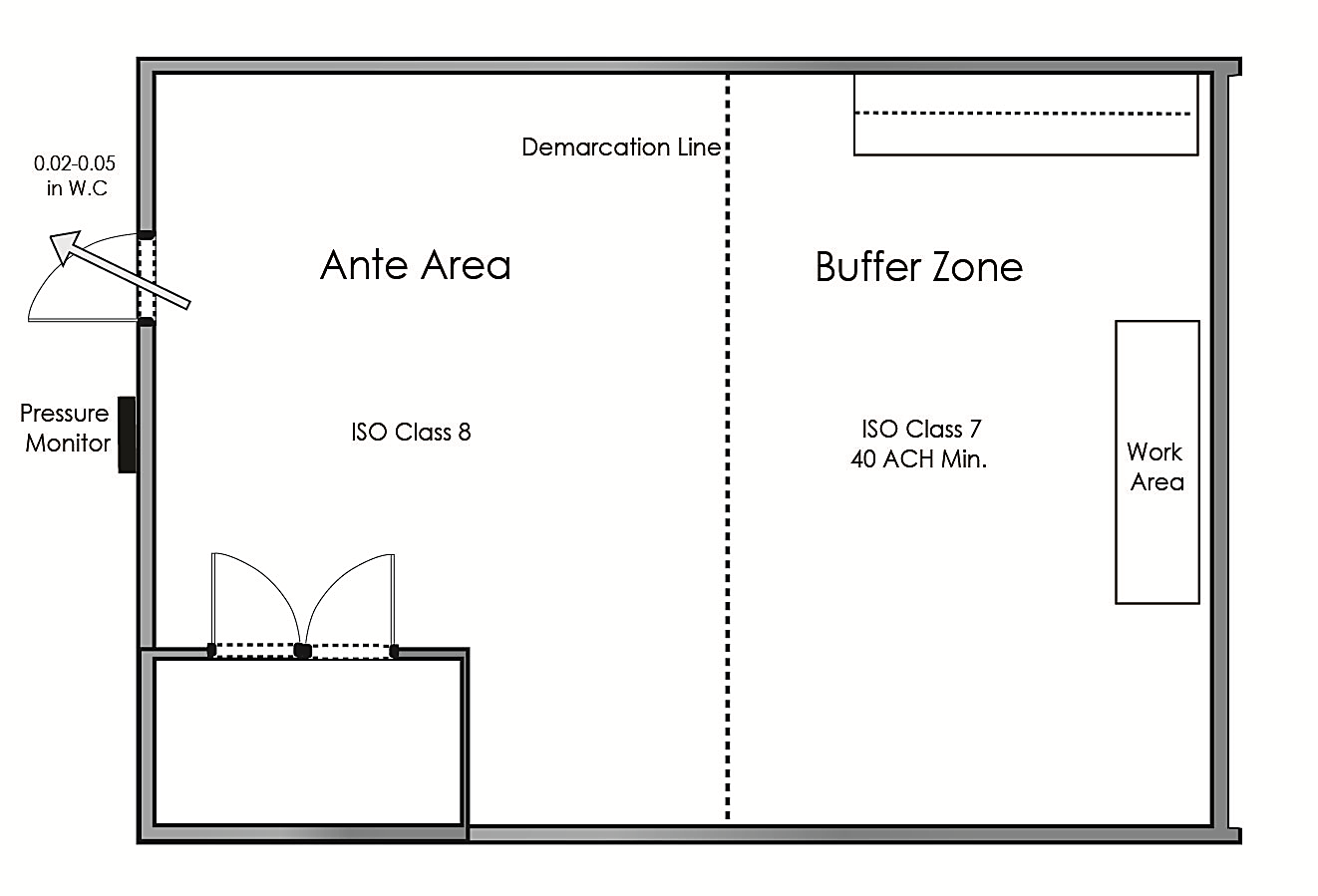
Engineering proper HVAC systems for critical environments often involves distinct areas of room pressure control and directional airflow. An anteroom between a primary room and corridor ensures a safe airflow buffer zone between the controlled pressurized space and an unclean area. The two spaces are separated by a completely walled area with a door. However, in some applications an ante area without walls or a door can achieve the same effect.

June 13, 2016
What is Sick Building Syndrome?
Buildings Can Get Sick Too…
When you are not feeling well, you usually attribute the root cause to bacteria or an infectious person. Not many people realize the root cause of an illness can be improperly regulated HVAC systems in buildings. Indoor air quality is becoming a matter of concern. In fact, Americans on average spend 90% of their time indoors; less than an hour a day is spent outside. All of this time spent indoors in a poorly controlled environment can lead to sick building syndrome (SBS).

May 30, 2016
How to Prevent Mold Growth
Although mold has many medical uses, it can be a huge problem for homes and buildings, especially if mold growth goes undetected. Mold spores spread easily and can grow anywhere, including carpet, clothing, food, paper as well as drywall, areas inside walls, around leaking or condensing pipes, and above ceiling tiles. Since mold cannot be completely eradicated and can be costly to fix, the best approach is to prevent mold before it becomes a problem. So how do you prevent mold growth?

May 26, 2016
What Are Protective Environment Rooms?
Protective Environment (PE) rooms are hospital rooms designed to protect a high-risk immunocompromised patient from human and environmental airborne pathogens. These are positive pressure rooms intended to keep patients safe during recovery from cancer treatment or stem-cell transplant.