


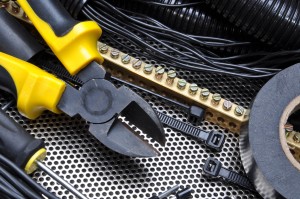
Current switches and current transducers are often used in very similar applications. Common applications include: monitoring motor activity, detecting belt slippage or breaking in fan, monitoring for bearing wear in motors and detecting heating element failure or end of life.
January 18, 2016
Discover Power Meter Savings at AHR 2016
It's almost here! The 2016 AHR Expo kicks off in three weeks on Monday January 25 in sunny Orlando Florida with a record breaking number of attendees and exhibitors. With hundreds of new products launching at the expo, there isn't a lack of HVAC innovation. Setra, this year located at Booth 1244 in the Building Automation section, is featuring multiple new products including the Power Patrol.

January 11, 2016
AHR: Setra to Feature New Products in Orlando
With over 2,000 organizations as featured exhibitors this year, there will be thousands of brand new products being highlighted across over a dozen applications. With only three weeks away from the 2016 AHR Expo, Setra is excited to be sharing its newest lineup of products to attendees. Some of Setra's newest products are:

January 07, 2016
How to Reduce Healthcare Nuisance Alarms
Hospital staffs face a barrage of beeping devices daily while caring for patients. Alarm fatigue, as it’s known, can cause staff to ignore alarms, especially if different devices have similar sounds or frequencies. Nuisance alarms are those sounds that do not represent a danger to the patient, but come from devices that cannot otherwise be configured to stop the alarm from sounding when a situation is neither important nor urgent.
January 04, 2016
What is Baud Rate & Why is it important?
The baud rate is the rate at which information is transferred in a communication channel. Baud rate is commonly used when discussing electronics that use serial communication. In the serial port context, "9600 baud" means that the serial port is capable of transferring a maximum of 9600 bits per second.

December 17, 2015
Onboard vs. External Differential Pressure Sensors
Pressure Sensor Installation: In the Wall or In the Ceiling?
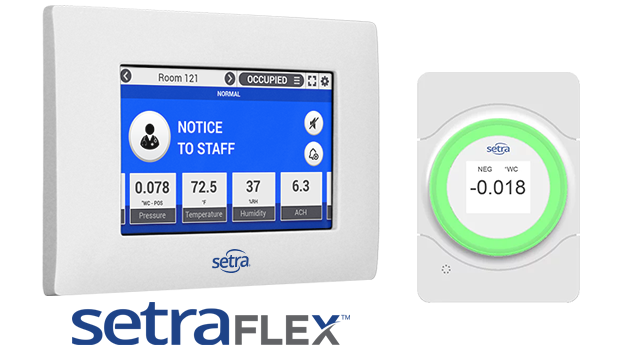
The landscape of room pressure monitors is diverse, with many different options of product design from various manufacturers. One of the basic choices in product design is whether to include the differential pressure transducer on-board with the touch screen, or external in the ceiling or interstitial space. There are pros and cons for each approach, depending mostly on the preference of the A&E firm or customer.
December 07, 2015
How Much Sensor Accuracy Do I Need?
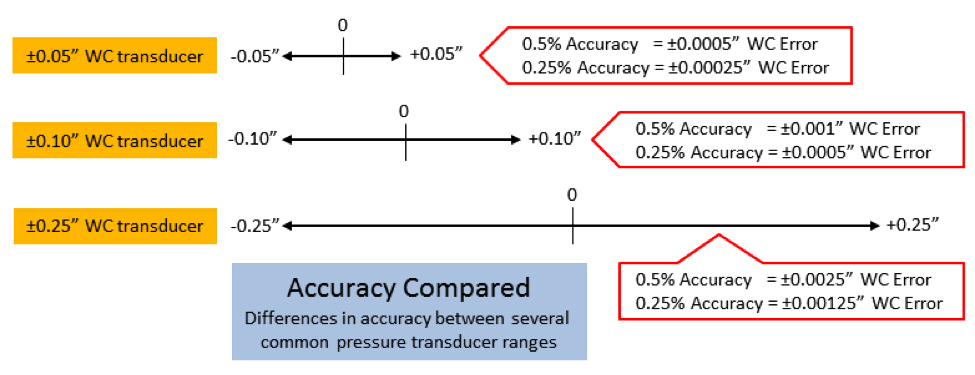
A frequent question asked about room pressure monitoring applications is “how much sensor accuracy do I need?” The most common thought is to order the most accurate sensor available. For a moment, consider all things are equal with regard to price. Is the best accuracy the best choice? Not always. It depends on the application.

November 16, 2015
How to Troubleshoot BACnet Communications
A common issue that users see is that a new device is added to a network but is not communicating with the segment or has intermittent communication. Troubleshoot BACnet communication problems through the following steps:
November 12, 2015
Room Pressure Guidelines in Healthcare
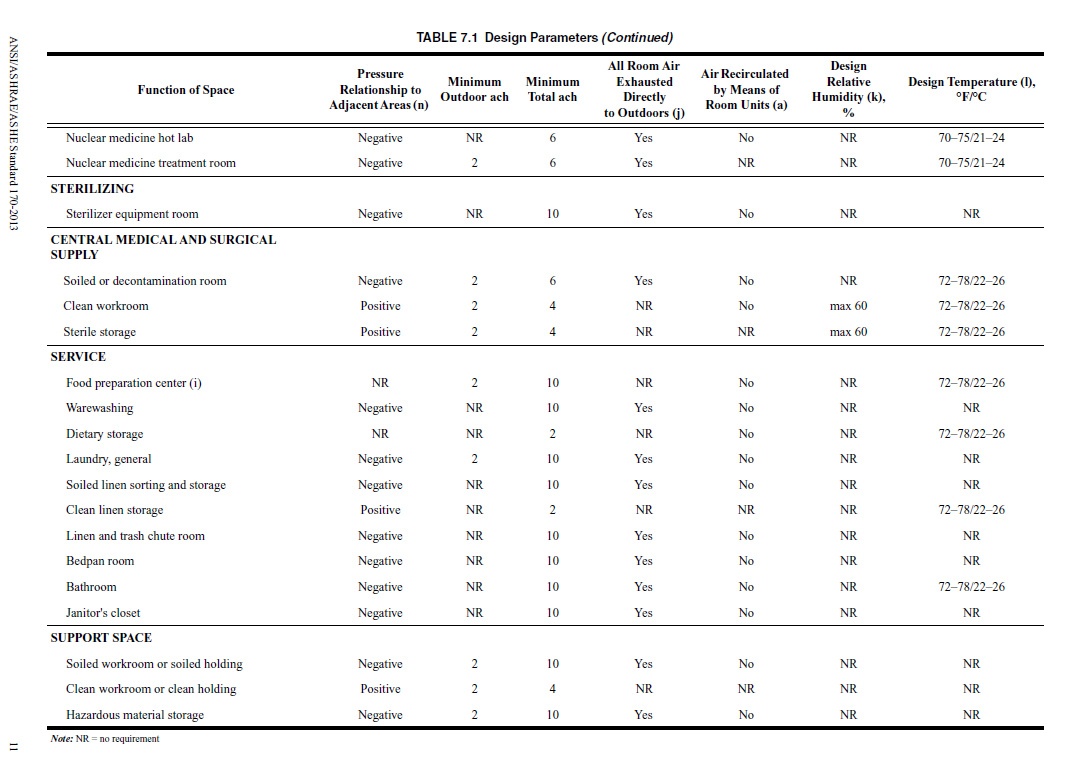
Hospitals and outpatient facilities serve a critical need in global communities. They provide emergency care for the sick, but we also rely on them as a safe zone for treating communicable diseases and keeping the public safe. Pressurized rooms in these special buildings are designed to contain dangerous airborne contaminants, such as tuberculosis, aspergillus, and vaporized cough. When properly pressurized, these rooms protect the most vulnerable patients, and allow healthcare staff to safely treat highly infectious cond
October 29, 2015
6 Things OEM Design Engineers Need to Know
Any design engineer must seriously consider the manufacturing environment when looking to select a pressure transducer for inclusion within a refrigeration chiller, pump, engine test equipment, or other machinery. The life of a pressure transducer is proportional to the system design and assembly process.