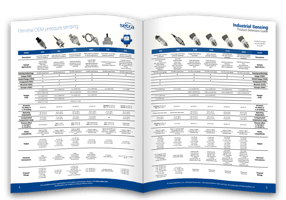




Recently, the Department of Energy (DOE) released a new requirement that goes into effect on Jan. 1st, 2017 as part of the "Energy Conservation Program: Test Procedures for Central Conditioners & Heat Pumps.” All manufacturers of heating and cooling systems need to ensure that the AHR units they manufacture for residential and small commercial applications meet this new standard.

November 07, 2016
Why Do You Need to Calibrate Pressure Transducers?
One of the biggest concerns after pressure transducers have been installed is knowing how accurate the results will be over time. As a result pressure transducers are replaced more often than necessary or are calibrated with outdated technology. Low-pressure transducers used in critical applications require calibration after extended use to ensure
November 02, 2016
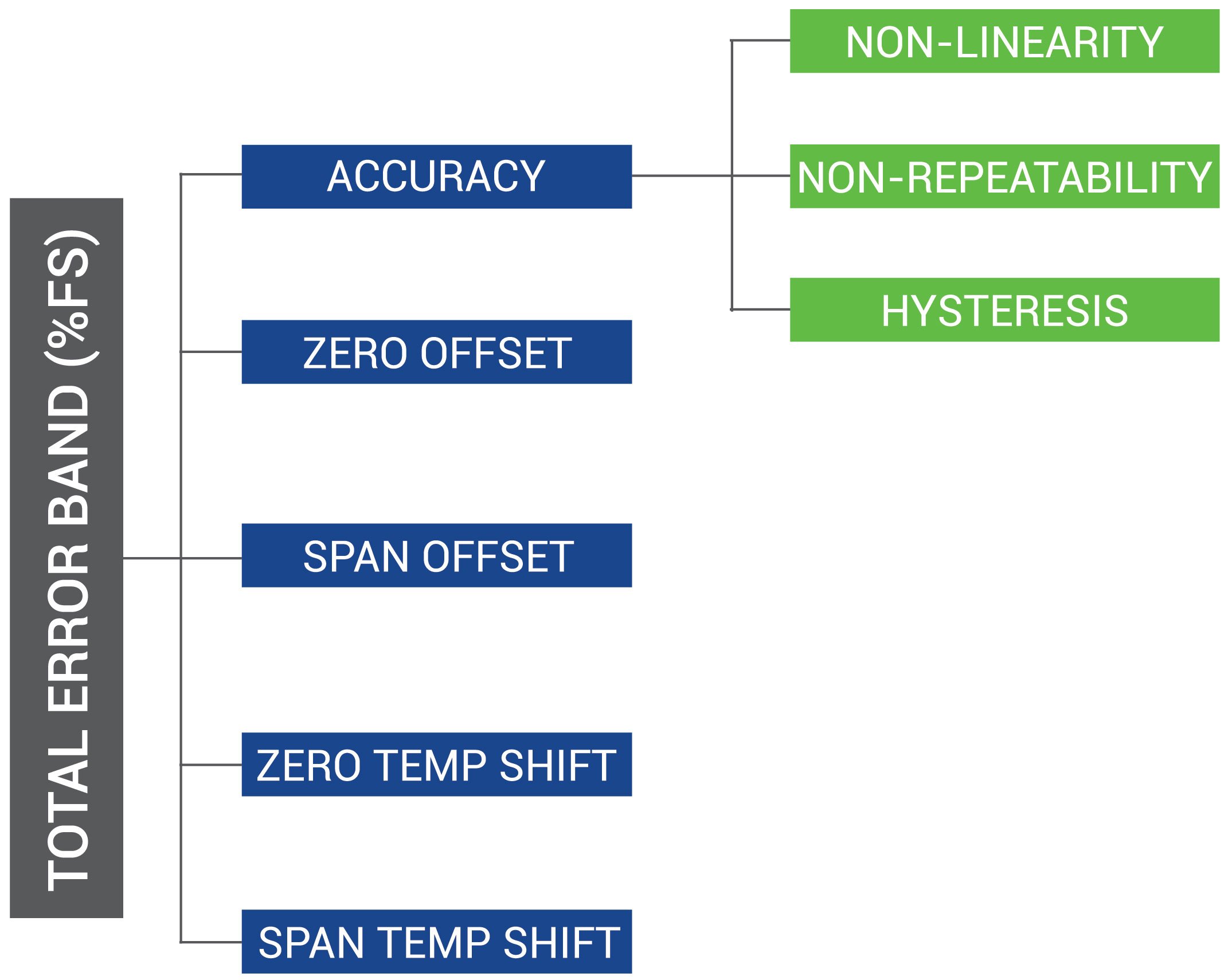
What is Total Error Band & How do You Calculate It?
Total Error Band (TEB) is a measurement of worst case error; it is the most comprehensive and concise measurement of a sensors true accuracy over a compensated temperature range. TEB is extremely important to know when trying to determine how well a sensor will work within a particular design system. By calculating TEB you'll be able to understand the different possibilities for error. Formulating TEB can be tricky if you don't have the right inputs readily available.

October 31, 2016
Make Halloween Spookier with Pressure Transducers
Happy Halloween From Setra
Have you ever wanted to build your own Haunted House or Spooky Trail?
I'm sure we've all thought about it one time or another. You know what I'm talking about. Places like amusement parks, fairs, or even a homemade one that your “Halloween Crazed” neighbors down the street built themselves. But how do they work?

October 17, 2016
4 Considerations For Low Pressure Measurements
Low pressure measurements are required in various applications such as air flow, static duct and cleanroom pressures in HVAC and energy management systems (EMS). Other applications include use in medical instrumentation, environmental pollution control, boil combustion efficiency and a wide variety of research and development requirements. Although the focus will center mainly on air flow and pressure, the same principles

October 03, 2016
How do I pressurize an anteroom?
There are several techniques for managing safe and reliable pressurized rooms in healthcare and laboratory applications. When anterooms are present, such as those used for isolation rooms and pharmacies, it is not always clear how the anteroom should be pressurized in relation to the adjoining room and hallway.
September 29, 2016
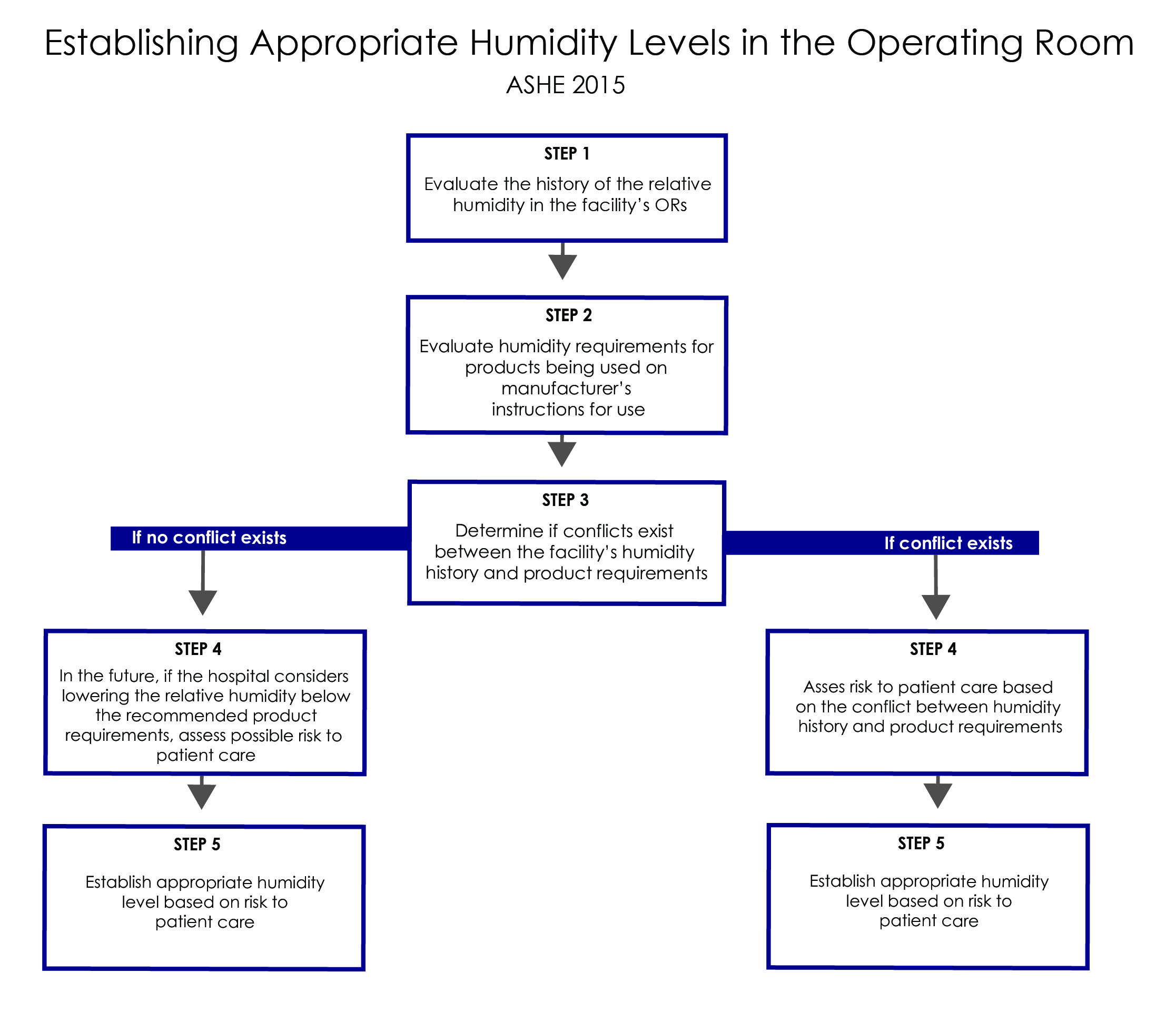
Guide for Establishing Relative Humidity Levels in Operating Rooms
Successful surgery depends not only on the performance of medical professionals, but also on the integrity of the environment. Relative humidity is a critical component in maintaining the safety and performance of an operating room (OR).

September 15, 2016
What Causes Sick Building Syndrome?
After understanding the basis of sick building syndrome, recognizing the root causes for the syndrome is the next step for prevention or treatment. By properly identifying the root causes, suitable countermeasures can be constructed. Causes for sick building syndrome can be classified into three categories:
September 08, 2016
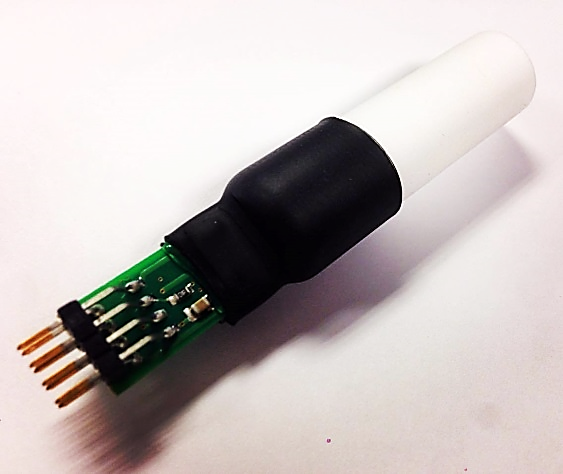
What are the Benefits of Field Replaceable Tips?
When selecting a humidity sensor, we recommend choosing one with a field replaceable tip. Why are we recommending this? A field replaceable tip is easy to replace and allows the end-user to swap the sensor on-site without having to calibrate the unit or remove it from its mount. We recommend sensors with field replaceable tips for the following reasons:

September 01, 2016
Where should I Mount a Wall, Duct or Outside Air Relative Humidity Sensor?
As we have talked about in our Importance of Measuring Humidity post, accurate humidity measurement is crucial. Building owners must be sure to maintain and monitor humidity levels for occupants' comfort and safety. Improper humidity measurement can put a building at risk for mold and other airborne pathogens which can lead to sick building syndrome.
There are three types of mounts for humidity sensors; wall mount, duct mount or outdoor air. In order to operate correctly with a long life expectancy, it is vital that the sensor is properly mounted and placed. Proper mounting requires careful consideration to ensure the sensor meets your needs. Here is a guide on how to place three types of humidity sensors: