


This case study will explain how a prominent hospital in Southern California successfully improved compliance adherence, patient safety, and hospital efficiency while also seeing significant cost savings by automating room pressure monitoring in critical areas.
September 18, 2023
From Manual Checks to Money-Saving: How Setra LITE Reshaped Room Pressure Management in Southern California
July 18, 2023
Maximizing Cost Savings and Increasing Labor Productivity with Setra Lite Room Pressure Monitor
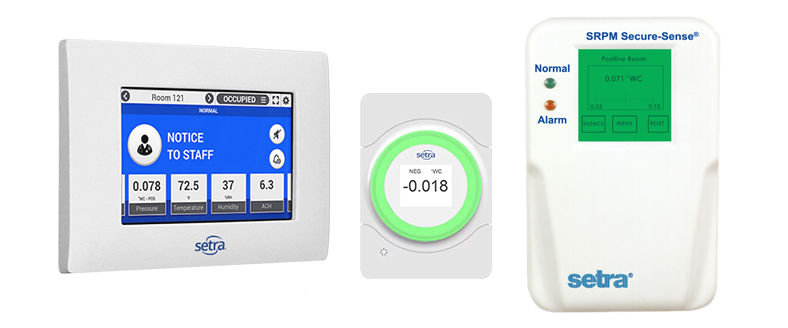
In the fast-paced healthcare environment, optimizing efficiency and reducing costs are paramount objectives for hospitals. The Setra Lite Room Pressure Monitor offers a cutting-edge solution that streamlines monitoring processes, frees up valuable time, and ensures continuous compliance. We delve into the benefits of Setra Lite, highlighting its time-saving features, simplified setup, significant cost savings, and the ability to maintain continuous monitoring.
Enhancing Safety and Compliance
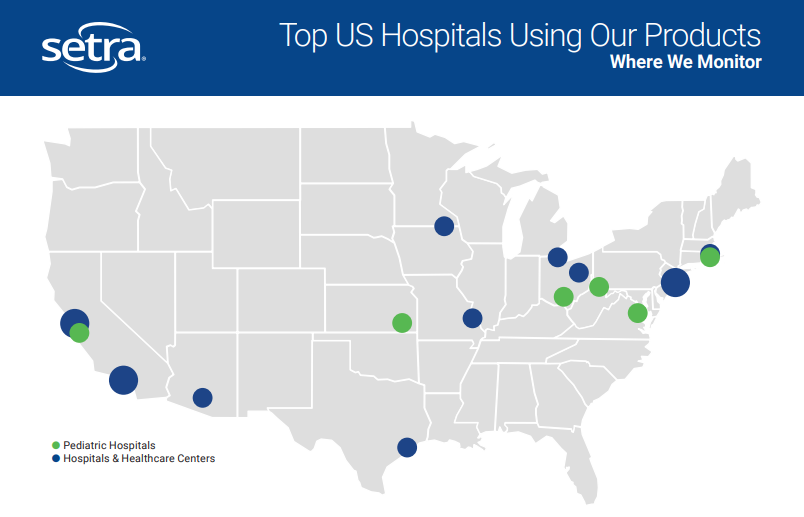
By incorporating Setra's room monitoring solutions, hospitals can proactively address compliance issues in non-critical spaces (such as linen storage, emergency departments, Bronchoscopy Spaces, etc.), ensuring patient safety, staff well-being, and regulatory adherence. Regular monitoring with Setra's reliable and user-friendly solutions minimizes the risk of non-compliance surprises and supports hospitals in achieving successful audits and inspections. This is why Setra's room monitors are trusted by the top 6 cardiology and heart surgery hospitals across the nation.
June 13, 2023
Operating Space: Enhancing Sterility and Minimizing Risk
The OS (operating space) is one of the highest-risk, highest-consequence spaces in a health care facility. Ensuring a sterile and safe environment is crucial to prevent infections and protect both patients and staff. Without proper monitoring and control, the OS can become a breeding ground for airborne pathogens, leading to severe consequences. Setra’s innovative solutions address this problem and help healthcare facilities adhere to standards, such as the ASHRAE170 code, to avoid fines, fees, and potential shutdowns.
June 13, 2023
Protected Environments: Protecting the Most Vulnerable
Protected environments are designed to ensure at-risk patients with diseases such as cancer or HIV are kept safe from airborne pathogens. This requires constant pressure monitoring of the space to ensure positive pressure is maintained, preventing infectious agents from entering the space. Monitoring temperature and relative humidity is critical in minimizing bacterial growth and ensuring patient and staff comfort and safety.
June 13, 2023
Isolation Space: Protecting the Environment of Care
Isolation spaces represent some of the most critical spaces within a healthcare facility, given the potential harm they can pose to patients and staff if not monitored correctly. These spaces are commonly used to provide care for individuals with compromised immune systems, such as cancer or HIV patients, as well as to safeguard healthcare providers and the public against highly contagious diseases like Tuberculosis and COVID-19. The increased risk of infection from airborne pathogens underscores the importance of maintaining the highest standards of monitoring and equipment reliability. Setra's dependable solutions, trusted by top 5 nationally ranked hospitals across the US, provide the necessary assurance and support to ensure the safety and well-being of patients and healthcare personnel.
June 13, 2023
Compounding Pharmacies: The Importance of Setra Room Monitors for Safety and Compliance
Ensure USP <797> and <800> Compliance
With Setra's trusted room monitors, compounding pharmacies can significantly enhance safety measures and meet the stringent requirements outlined by USP <800> and USP <797> standards. Compliance not only safeguards the well-being of pharmacy personnel but also prevents contamination of medications. Setra's reputation for reliability is exemplified by being trusted in 13 of the 20 top-rated hospitals in the US*. By leveraging Setra's proven monitoring solutions, compounding pharmacies can effectively mitigate risk, prioritize safety, and ensure compliance with regulatory standards.
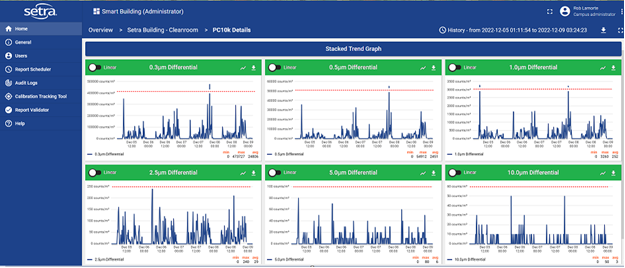
For aerospace and defense companies manufacturing critical components, quality assurance is crucial. The slightest defect or particle contamination can compromise the safety and reliability of the final product. Therefore, having the right systems in place to assure quality is essential.
April 25, 2023
How To Meet UPS 797 & USP 800 Compliance Standards
Are You Compliant With USP 797 and USP 800 Standards?
Revised standards for USP General Chapter <797> for compounded sterile preparation (CSP) have been finalized and are active as of Nov 1, 2023. These revisions will also affect USP <800> where hazardous drug (HD) compounding is applicable. Both standards include environmental monitoring and management requirements that were not previously enforced and must be met to achieve accreditation through local and national governing bodies. Understanding the conditions and monitoring requirements is critical in ensuring compliance.
If you need help understanding the UPS <797> and USP <800> requirements and want to find compliant solutions, we would be happy to assist! Contact Setra today to talk with our product team and make sure that all of your spaces are compliant.

March 28, 2023
Your Path to Sustainability with Setra Power Meters
Electricity is one of the most essential resources that power modern life. As energy demand continues to increase, society must focus on optimizing its usage to minimize waste and lessen the environmental impact. Fortunately, Setra's Multi-load Power Metersprovidea simplified solution to this growing problem. Through submetering, these meters help facilities monitor and manage their electricity consumption more effectively, identifying potential sources of waste and enabling greater energy efficiency.