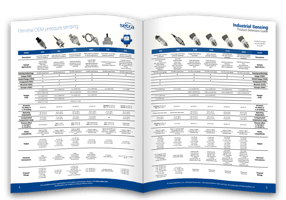



Setra’s T/RH sensors are built to meet the requirements of demanding applications. The right choice of appropriate filter cap is essential for best long-term performance, and the right sensor tip depends mainly on the application.
March 01, 2019
Why You Should Replace Your Hot-Wire Anemometer
Hot-wire anemometers are widely used throughout hospitals. Although their initial accuracy remains undisputed, a hot-wire anemometer's accuracy is not stable over time. Hot-wire anemometers must be cleaned at regular intervals to remain an accurate and effective solution for monitoring room pressure. Without regular cleaning and calibration, the accuracy of a hot-wire anemometer decreases significantly over time.
February 26, 2019
Which Hospital Spaces Require Pressurization?
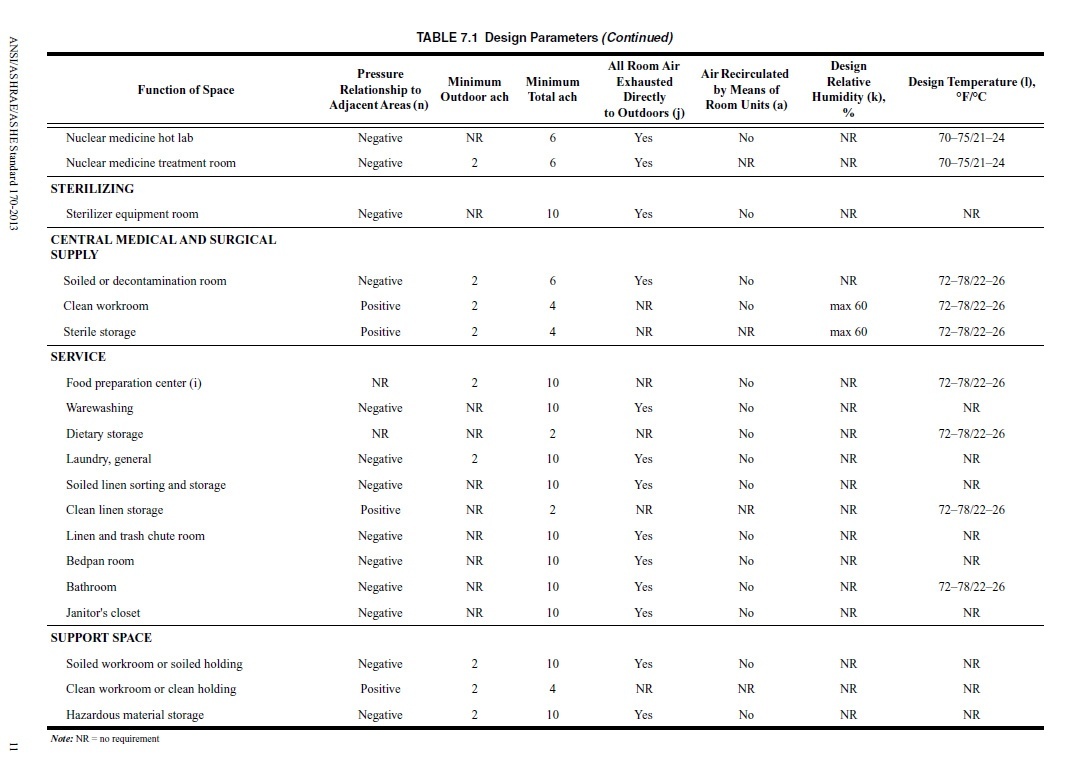
Proper room pressure and airflow are crucial for maintaining critical environments in hospitals. When talking about pressurized hospital spaces, the most well-known are operating rooms and isolation rooms. However, these are not the only two pressurized spaces within a hospital. ASHRAE Standard 170 details 60 different types of rooms in a hospital requiring pressurization. Without proper room pressurization, hospitals put their accreditation by the Joint Commission in jeopardy.

February 22, 2019
5 Tips for BACnet Best Practices
1. Recognize the difference between BACnet options
BACnet has a multitude of protocols available, but Setra products typically only operate on one of two options.

February 08, 2019
What is the Difference Between 1 cfm and 0.1 cfm?
Flow rate is important to consider when selecting a particle counter for a critical environment. The flow rate of a particle counter is the rate at which a pump draws air through the sample chamber, measured in cubic feet per minute (cfm). Two common flow rates for particle counters are 1 cfm and 0.1 cfm. Depending on the application, each flow rate can be valuable.
January 08, 2019
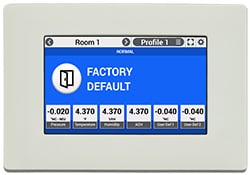
Setra FLEX: A Variety of Applications
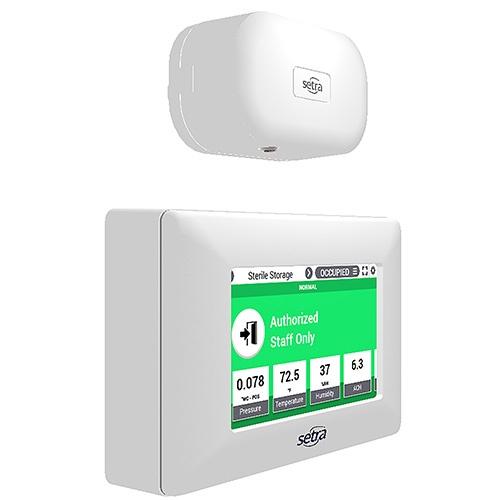
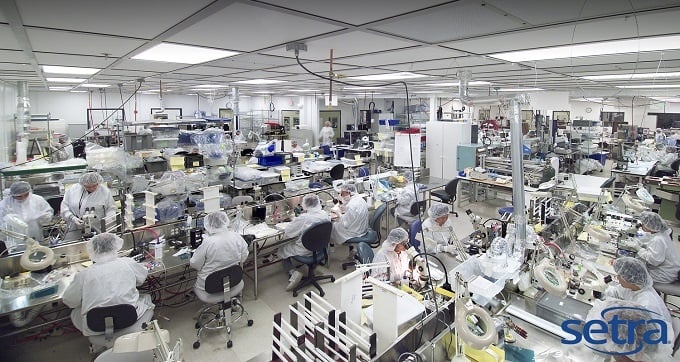
Setra FLEX Environmental Monitor helps to ensure safe and energy-efficient indoor environmental and ventilation control conditions for pressurized critical spaces. Compliance with the standards and regulations for monitoring and control of critical environments requires highly reliable yet easy to use products, and FLEX was designed with compliance of these standards in mind. FLEX is the highest performing and most flexible room monitor and controller in the industry.
January 07, 2019
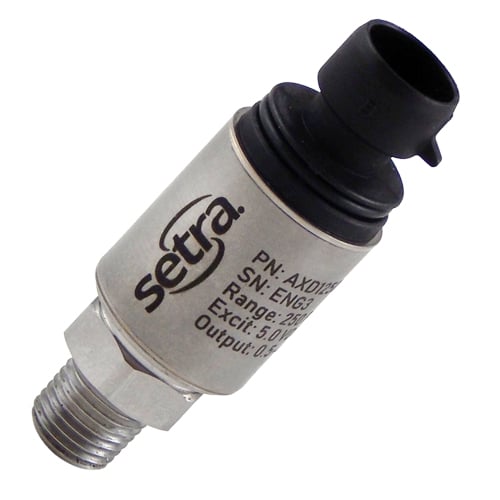
Coming Soon: The Model AXD™ Pressure Transducer
Setra’s latest innovation and addition to our extensive line of industrial pressure transducers is the Model AXD™ pressure sensor. The Model AXD is Setra’s most versatile pressure transducer yet. The Model AXD is for high performance applications where reliability and versatility are key, all at an affordable price.
January 03, 2019
Setra FLEX will be at AHR 2019
Setra FLEX is a comprehensive environmental monitoring system for critical environments. Winner of the 2018 AHR Innovation Award in the Building Automation category, FLEX provides flexible room control and monitoring in a pre-configured, simple to use unit.
December 28, 2018
Should You Be Monitoring Relative Humidity?
Relative humidity (%RH) is a measurement of how much water vapor is in the air compared to how much water vapor could be in the air. Monitoring relative humidity is important in a variety of environments, from office spaces to operating rooms to industrial manufacturing.
September 11, 2018
The importance of accurately measuring humidity in healthcare facilities
In hospitals, pharmaceutical compounding centers, and other sensitive healthcare environments, one of the biggest threats to patient health is the spread of pathogens. Exposure to viruses, bacteria, pollen, and fungi all pose hazards to patients and care providers and can compromise critical spaces like operating rooms and other procedure areas.