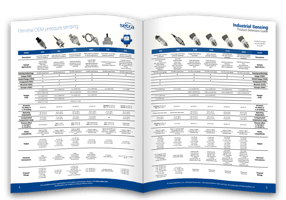



Recently, Setra hosted a webinar around protecting isolation rooms during the coronavirus pandemic. The speaker was a member of our sales team who is Setra's Critical Environments specialist. Below are answers to the questions asked throughout the webinar.
March 17, 2020
Keeping Hospitals Safe During Disease Outbreaks
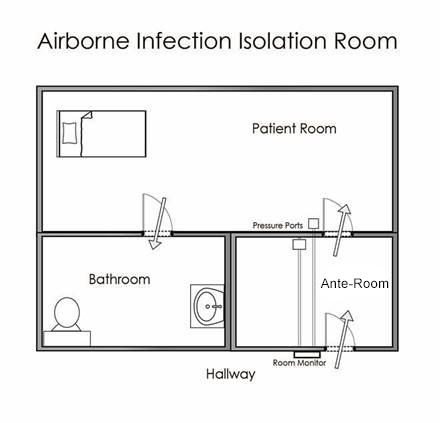
The outbreak of an infectious disease can be overwhelming if a hospital is not prepared. Hospitals employ a variety of strategies to prevent the spread of such illnesses. One of the most prevalent approaches is to treat these patients in isolation rooms. For those working in and around isolation rooms, their safety depends on proper control of the differential pressure of the room. As the coronavirus becomes ever more a pressing concern, it is critical for hospitals and staff to take the right precautions for keeping isolation rooms safe.
December 05, 2019
Critical Environments
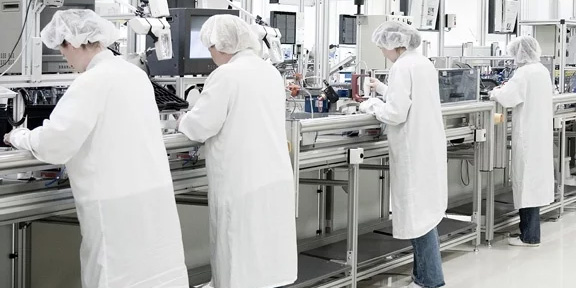
Critical environments are spaces where highly controlled processes take place. These room conditions prioritize safety of personnel and the protection of assets. Poor environmental control in these high-consequence applications can put people, processes, or products at risk. Examples of critical environments include:
October 10, 2019
Sensor Placement for Properly Monitoring an Operating Room
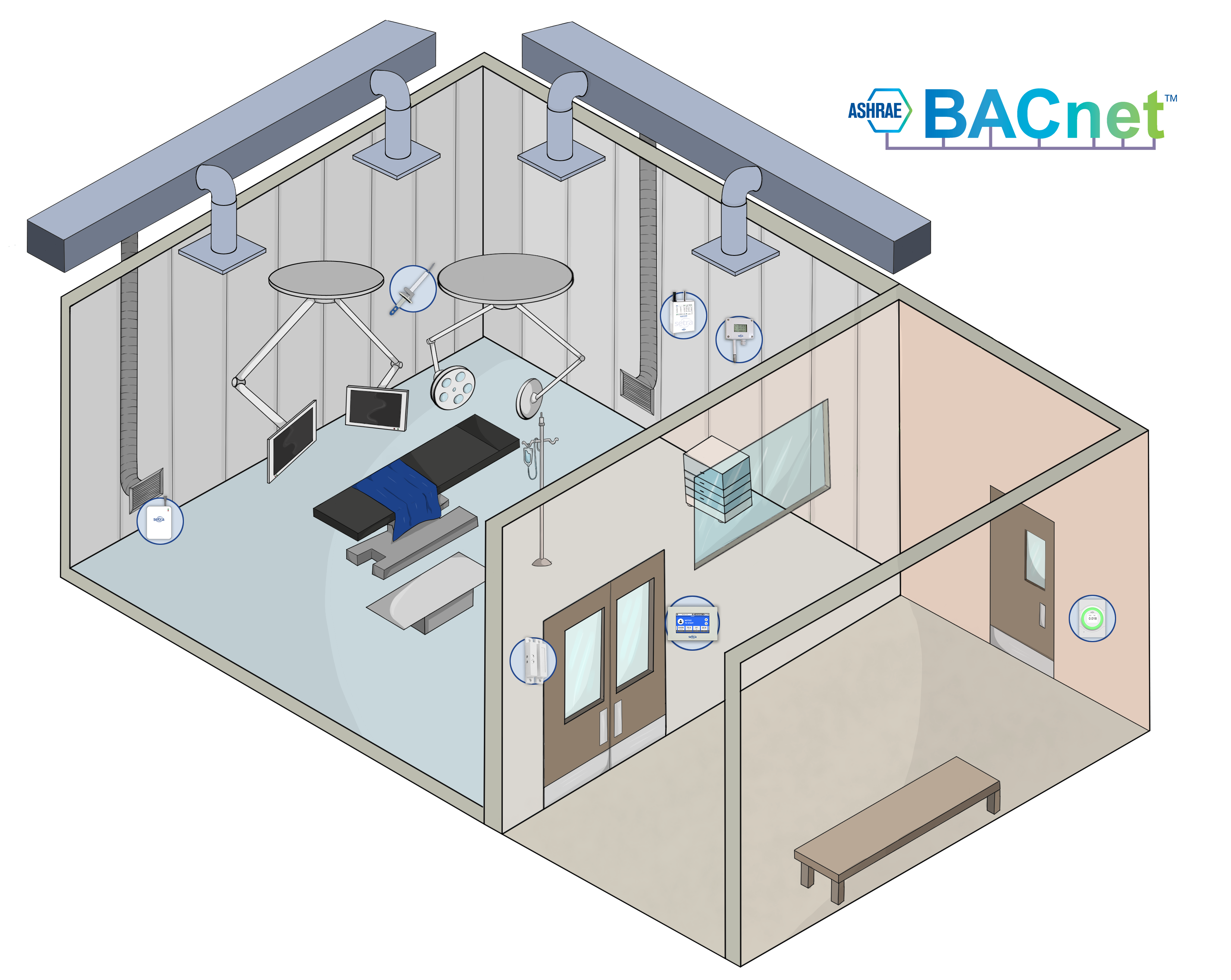
Operating rooms (ORs) are among the most thoroughly regulated spaces in a hospital. As a room where patients are particularly at risk of contracting an airborne infection, patient safety is a priority. A successful surgery relies on both the skill of medical professionals and the integrity of the space. Controlling this critical environment with the proper equipment keeps patients protected from contagions.

July 29, 2019
Best Practices For Isolation Safety
One of the greatest fears in the general population is the rapid spread of infectious disease. While there are many strategies employed to prevent these infectious diseases from becoming an outbreak, the only way to treat patients without risking the spread of disease is through the use of isolation rooms. Isolation rooms are designed to prevent contaminated particles from spreading beyond a quarantined area by ensuring air is exhausted from the room and filtered through a high-efficiency particulate air (HEPA) filter before it is vented outside of the building.
May 31, 2019
Decoding Humidity Accuracy
Considering humidity accuracy measurements is necessary when selecting a relative humidity transmitter. Accuracy, by definition, is "the degree to which the result of a measurement, calculation, or specification conforms to the correct value or standard" (Oxford English Dictionary). When comparing accuracy measurements of different relative humidity sensors, understanding the factors included in said measurements is crucial. An accuracy measurement should consist of non-linearity, hysteresis, repeatability, and calibration uncertainty. These factors can be defined as:
May 14, 2019
HVAC/R and HVAC/R OEM
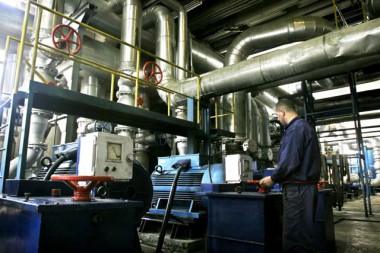
HVAC/R systems can be designed to perform a variety of functions. Examples of these functions include improving comfort, managing maintenance within a building, minimizing mold, and monitoring pressure in a critical space. HVAC/R encompasses many applications, including:
April 23, 2019
How Many T/RH Sensors Do I Need in My Space?
Many HVAC, critical environments, and industrial applications employ temperature and relative humidity (T/RH) sensors. But exactly how many T/RH sensors does an application require? It is difficult to spec the exact requirements for certain applications for a variety of reasons. No two applications are identical, and thus no two spaces require the same number of T/RH sensors. As each application is unique, the number of sensors needed depends on several factors, including:
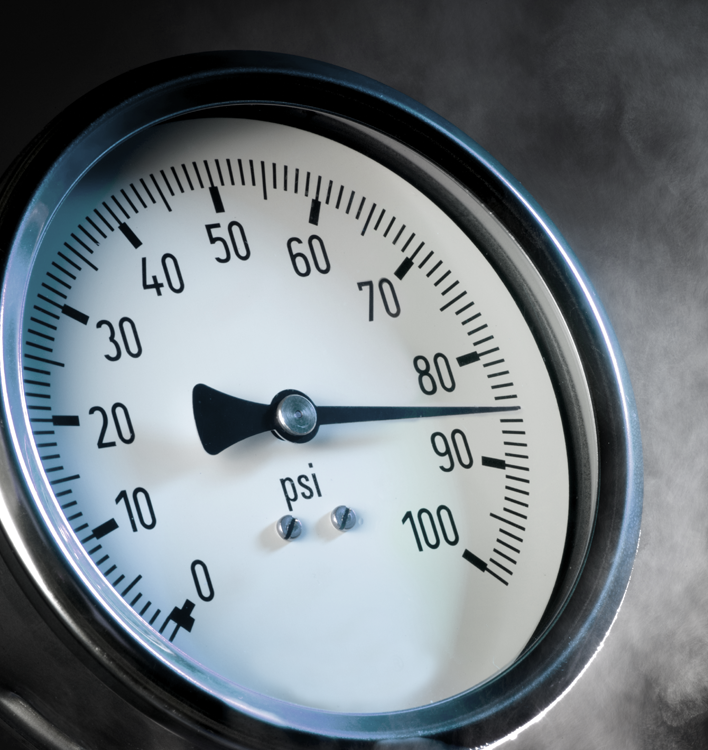
Room pressure readings are useful and often necessary in a range of spaces. However, two pressure transducers in the same space might not always present the same reading. A variety of circumstances can have an impact on the reading of a pressure sensor.
March 28, 2019
Should You be Purchasing from a Single Supplier?
Requirements and regulations are becoming ever more stringent for critical environments, making finding the right products for a space increasingly difficult. Not only must the specs of the product be considered, but the supplier must be taken into account as well. Shopping around with the intent to purchase from a variety of vendors takes a significant amount of time and effort. In addition to wasted time and effort, buying from multiple vendors comes associated with a number of risks and drawbacks, including:
- Incompatible hardware
- Incompatible software
- Minimal or disjointed tech support
- Inability to integrate products
- Installation and operational issues