


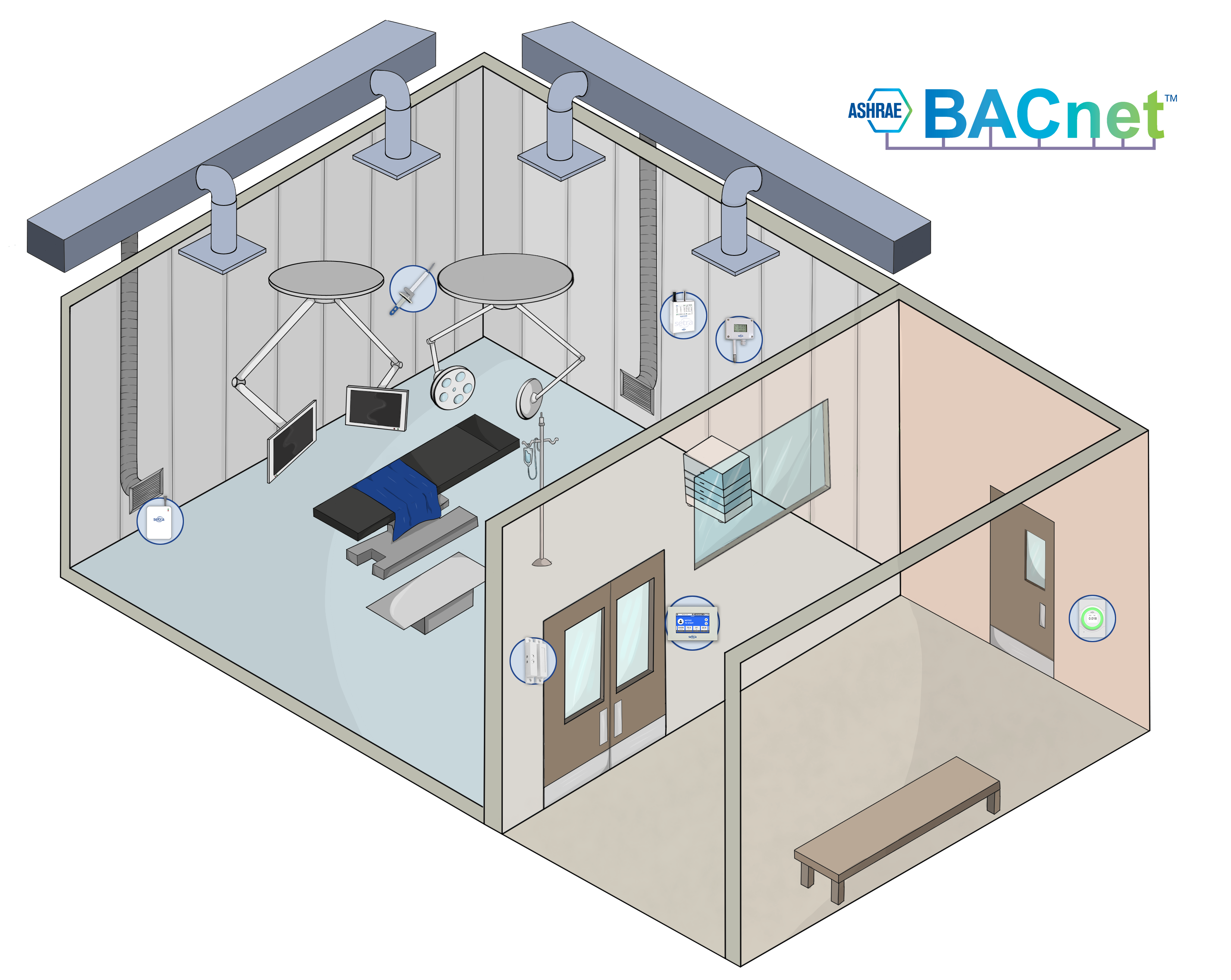
Operating rooms (ORs) are among the most thoroughly regulated spaces in a hospital. As a room where patients are particularly at risk of contracting an airborne infection, patient safety is a priority. A successful surgery relies on both the skill of medical professionals and the integrity of the space. Controlling this critical environment with the proper equipment keeps patients protected from contagions.
Hospitals face a number of daunting tasks each day without also having to worry about the performance of the equipment on which they rely. The particular medical facility in question experienced abundant issues related to the products they employed. A lack of after-sale support combined with the unsophisticated UI of room pressure monitors and the vendor's reluctance to partner with the facility's BMS controls engineers escalated into long-term compatibility obstacles with the other networked devices. Coming up against these issues led the facility to realize they needed simple and intuitive customizable features that didn't require specialized programming knowledge to set up. In addition to all these issues related to room pressure monitors, they were searching for a solution to make their compounding pharmacy USP 800 compliant with regular particle counting, which they define as an interval of once every 15 minutes.
September 26, 2019
How Air Sampling Helps Prevent Mold
To continue operating, a critical environment must meet many safety standards to keep their space free of harmful particles. If an environment is not monitored, it can be easily contaminated by harmful particles such as mold. Air sampling is one of the most common ways to monitor for - and thus prevent - mold. Viable and non-viable air sampling can be employed in detecting mold and other harmful particles in the air. Not monitoring for those particles can lead to disaster.
July 29, 2019
Best Practices For Isolation Safety
One of the greatest fears in the general population is the rapid spread of infectious disease. While there are many strategies employed to prevent these infectious diseases from becoming an outbreak, the only way to treat patients without risking the spread of disease is through the use of isolation rooms. Isolation rooms are designed to prevent contaminated particles from spreading beyond a quarantined area by ensuring air is exhausted from the room and filtered through a high-efficiency particulate air (HEPA) filter before it is vented outside of the building.
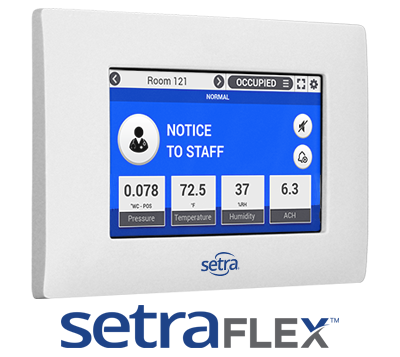
Monitoring critical environments - such as cleanrooms, operating rooms, and compounding pharmacies - is paramount to maintain safety and remain compliant with regulatory standards. In these critical spaces, it is often required to monitor multiple environmental parameters.
July 11, 2019
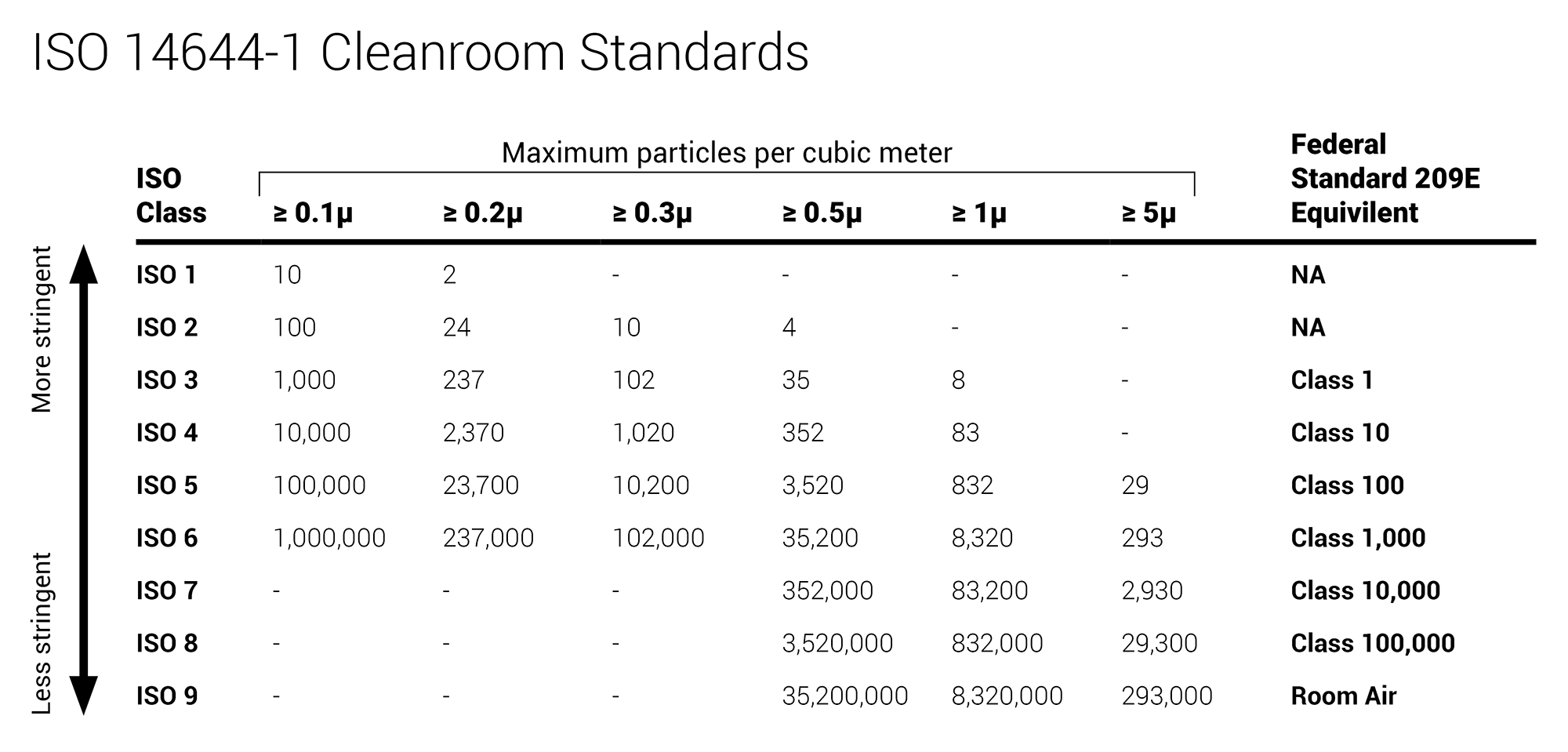
Manufacturers Increasingly Adopt ISO Standards
OEM and mechanical parts suppliers adopting ISO Standards is increasingly common throughout the US, driven by a spike in industry demand for components manufactured in ISO compliant factories. In addition to existing and increasing demand for ISO compliance in clean rooms, healthcare spaces, and laboratories, manufacturing facilities like automotive, electronics, loT, and industrial are now adapting to observe these standards. To be ISO compliant, all of these spaces need highly accurate, reliable, and NIST-traceable sensors for monitoring.
July 02, 2019
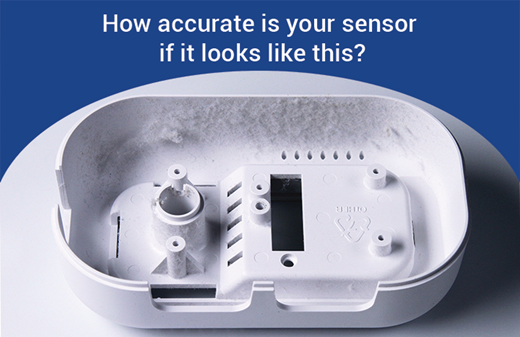
Problems of a Hot-wire Anemometer
For decades, hot-wire anemometers have been widely used throughout hospitals to ensure proper pressurization in critical spaces such as operating rooms and isolation rooms.
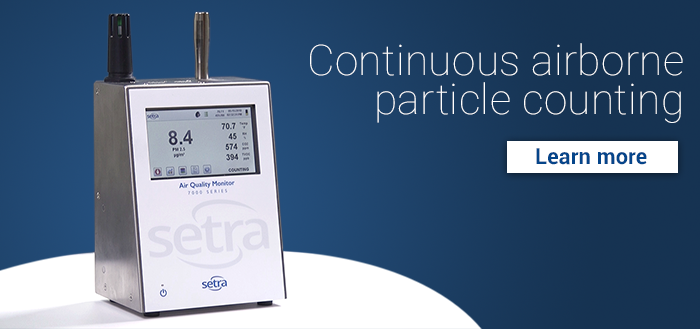
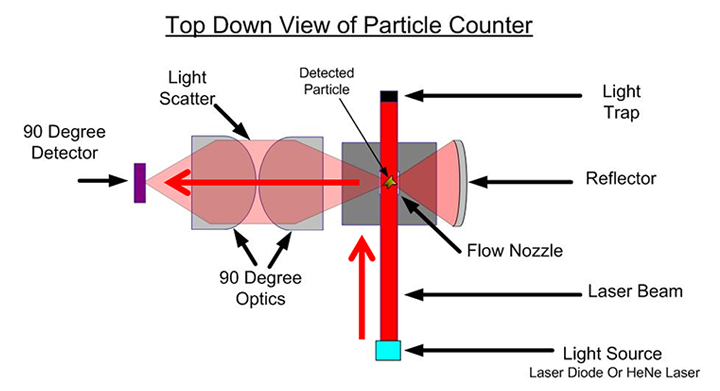
When selecting a particle counter, it is necessary to consider what building automation network it can communicate with. Examining the available options helps to ensure the particle counter will connect to your existing network.
May 20, 2019
Controlling a Space with FLEX-RC
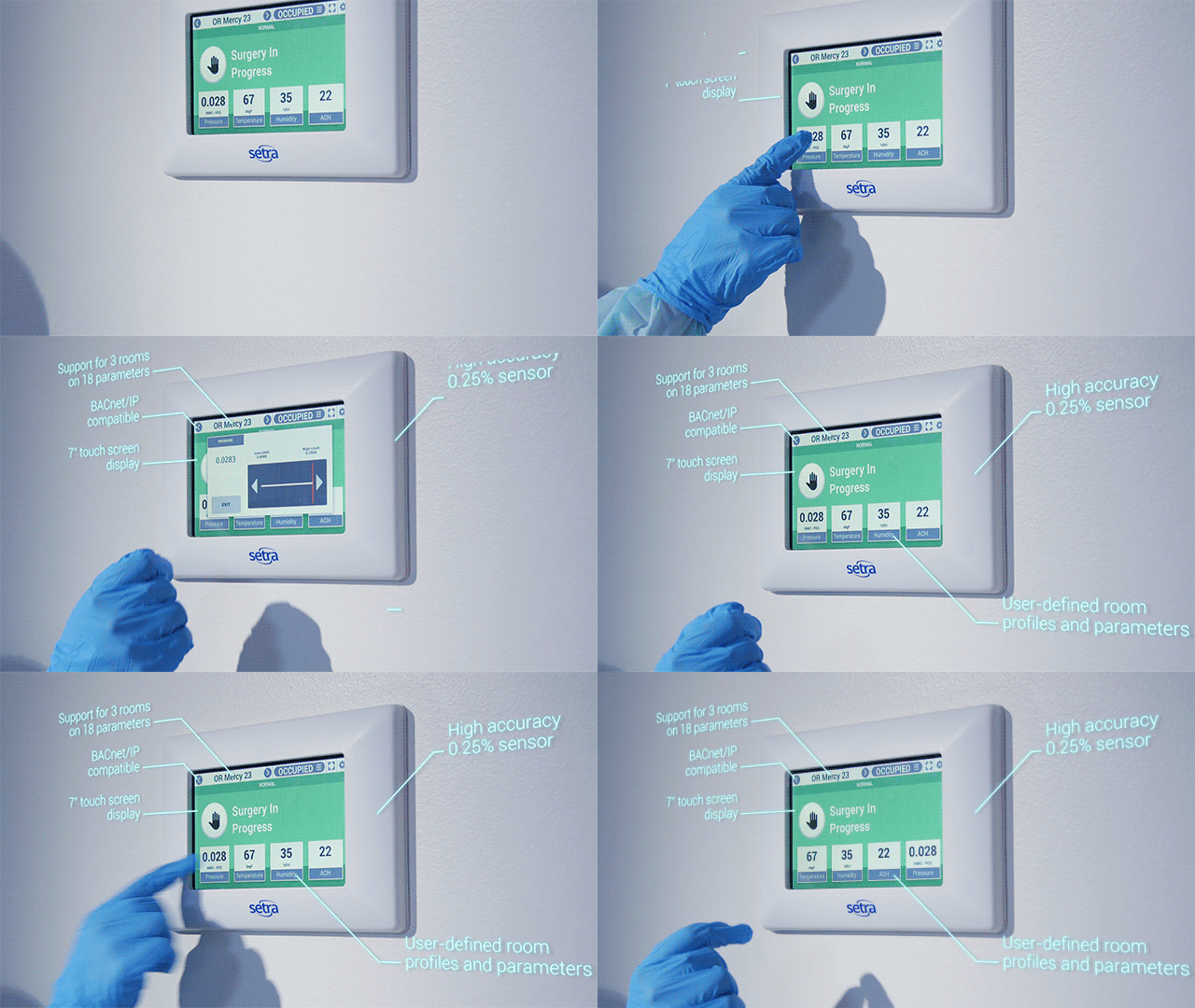
Building on the strengths of the Setra FLEX, FLEX-RC adds control capability to the monitor and alarming functions. With the added control capability, FLEX-RC can help manage an environment in a number of ways.
Nosocomial infections (also known as Hospital-Acquired Infections, Healthcare-Associated Infections, or HAIs) can result in otherwise avoidable extended hospital stays, readmittance, follow-up treatments, and even death. HAIs can often spread via airborne transmission, which emphasizes the need for proper room pressurization to contain hazardous particles. Operating rooms (ORs) are an area where patients are especially at risk for contracting infections. 2.5µm particles are an important leading indicator of the potential presence of contaminants that could put the patient at risk. The best opportunity to manage the risk of infections is by limiting 2.5µm particles in a space.