
Setra Blog


March 06, 2017

What are the setbacks of an oil-filled sensor vs. non-oil filled?

In the pressure sensing industry there are many different sensor technologies, but all sensors can be broken down into two classifications; oil-filled, non-oil filled. An oil-filled sensor refers to a sensor that uses oil as a transfer medium between a diaphragm and the sensing element. Oil-filled sensors appeal to many manufacturing applications due to its material compatibility, low cost, and ease of implementation. Although these sensors are becoming a standard, there are several drawbacks to selecting an oil-filled sensor over a non-oil filled sensor.

Continue Reading →

March 02, 2017

Considerations For Properly Measuring Tank Level

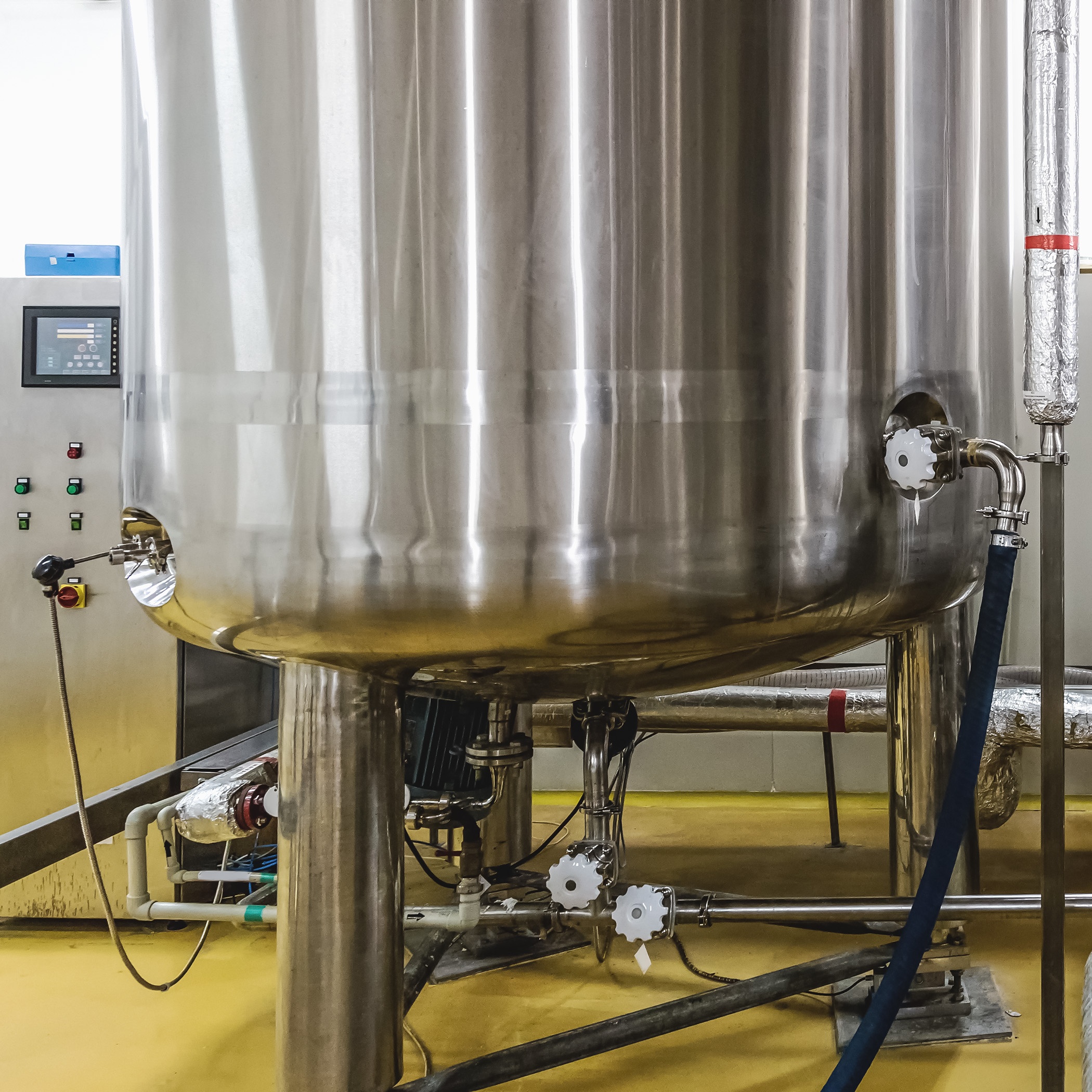
Whether you are looking for a solution to solve a tank level measurement issue to a building or trying to monitor a process tank within your factory, the proper tank level is extremely important to the success of your project. There are countless applications across many industries that with a few simple steps can ensure that you can meet the needs of your project.

Continue Reading →

February 27, 2017

How To Stop Water Hammer

What is Water Hammer?

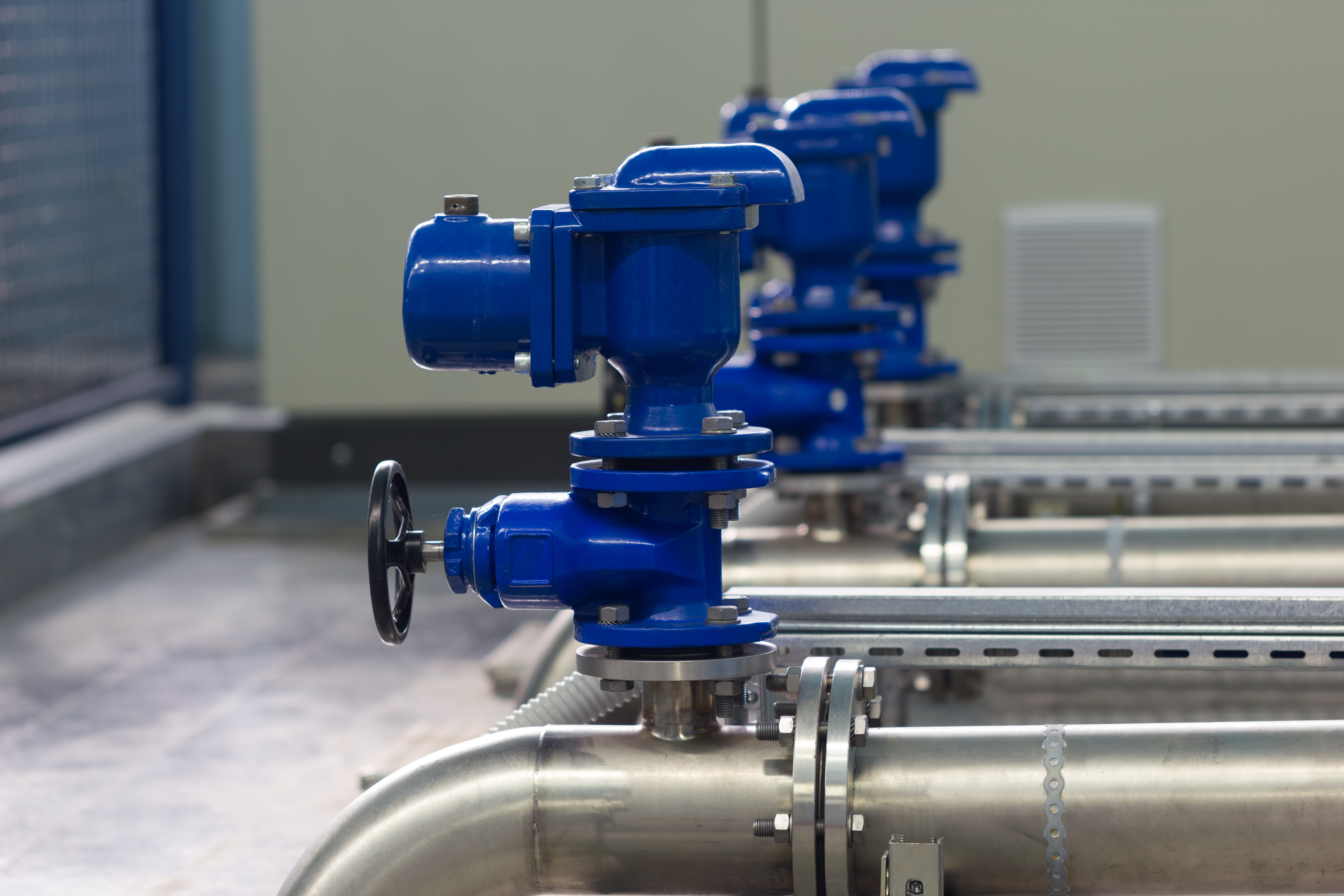
Water hammer is shock wave produced by the sudden stoppage or reduction of a fluid flow. This can cause sudden rises in pressure and damage instrumentation. In tank level measurement applications, high pressures can be generated by the sudden closure of a valve on an outlet line. Although it might seem to be a consistent flow, the water inside pipes tumbles as it moves through.

Continue Reading →

February 16, 2017

What Are The Difficulties Of Low Pressure Calibration?

Calibration is important regardless of what type of pressure you are monitoring.

Calibration is especially significant for low pressure requirements in critical applications such as vivariums, pharmaceutical manufacturing, cleanrooms and hospital isolation rooms. Other applications for low pressure include medical instrumentation, environmental pollution control, boiler combustion efficiency, air flow and research and development test stands.  

Continue Reading →

February 13, 2017

Why Choose Rogowski Coils?

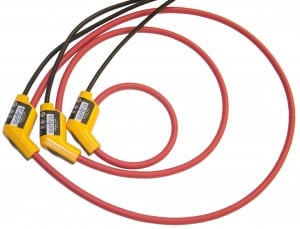
Many electricians and contractors are moving towards using Rogowski Coils because of the time saved during installation and the reduced shipping costs for high amperage requirements. Because of the size, weight and flexibility of a Rogowski Coil, installers can save significant time and labor because of the ease of surrounding conductors of all sizes. However, what most people don’t realize is that Rogowski Coils have many technical advantages over standard split-core or “donut” CT’s which can help improve monitoring energy in different applications.

Continue Reading →

February 09, 2017

The AHR 2017 Experience

Thank you to all who visited us at Booth C1452 in the Building Automation and Controls section of the AHR Expo this year in Las Vegas, Nevada! We enjoyed seeing both new and familar faces! The world's largest HVACR event was anything but boring and we think the 60,000 attendees would have to agree.

Continue Reading →

February 06, 2017

The DASI System, Barometric Pressure Measurement & the FAA

Barometric altimeters calculate and display altitude by measuring the local barometric pressure and converting that measurement into altitude. This conversion is done using the Standard Atmosphere Table, an international standard representing the barometric pressure at various altitudes on a so-called "standard day" which assumes a consistent non-linear relationship between altitude and pressure.

Continue Reading →

January 30, 2017

How Often Should I Calibrate A Pressure Transducer?

Transducers are used across many applications to provide accurate, real-time data of how a system is working. Calibration is critical to maintaining a pressure transducer’s accuracy and it is not a one-time process. All pressure transducers used in critical applications should be regularly calibrated to maintain high performance. If a transducer drifts out of its specified pressure range, it can lead to false pressure readings causing decreased equipment performance and possible safety concerns. Calibration allows the user to be completely confident that their transducers are correctly performing and measuring the required pressure range accurately.

So, how often should you calibrate a pressure transducer? It is a common question we get asked all the time. Pressure transducers should be calibrated as often as needed in order to, maintain the necessary accuracy for the application. The amount of calibration required by the transducer can vary based on factors, such as the application and the transducer’s stability
Continue Reading →

January 26, 2017

What is the difference between Vented and Sealed Gauge Reference Pressure?

After clarifying the different types of pressure measurements and the difference between absolute and gauge, it is time to expand and discuss the two types of gauge pressure; vented gauge and sealed gauge reference pressure.

Continue Reading →

January 19, 2017

5 Considerations When Selecting a Pressure Transducer for Industrial Applications

1. Pressure

The first and most important consideration is pressure. A number of questions must be answered to ensure the correct transducer is selected. What is the pressure range that the transducer will measure? What is the maximum pressure the transducer will encounter? What is the potential for over pressure in the system?

Continue Reading →