


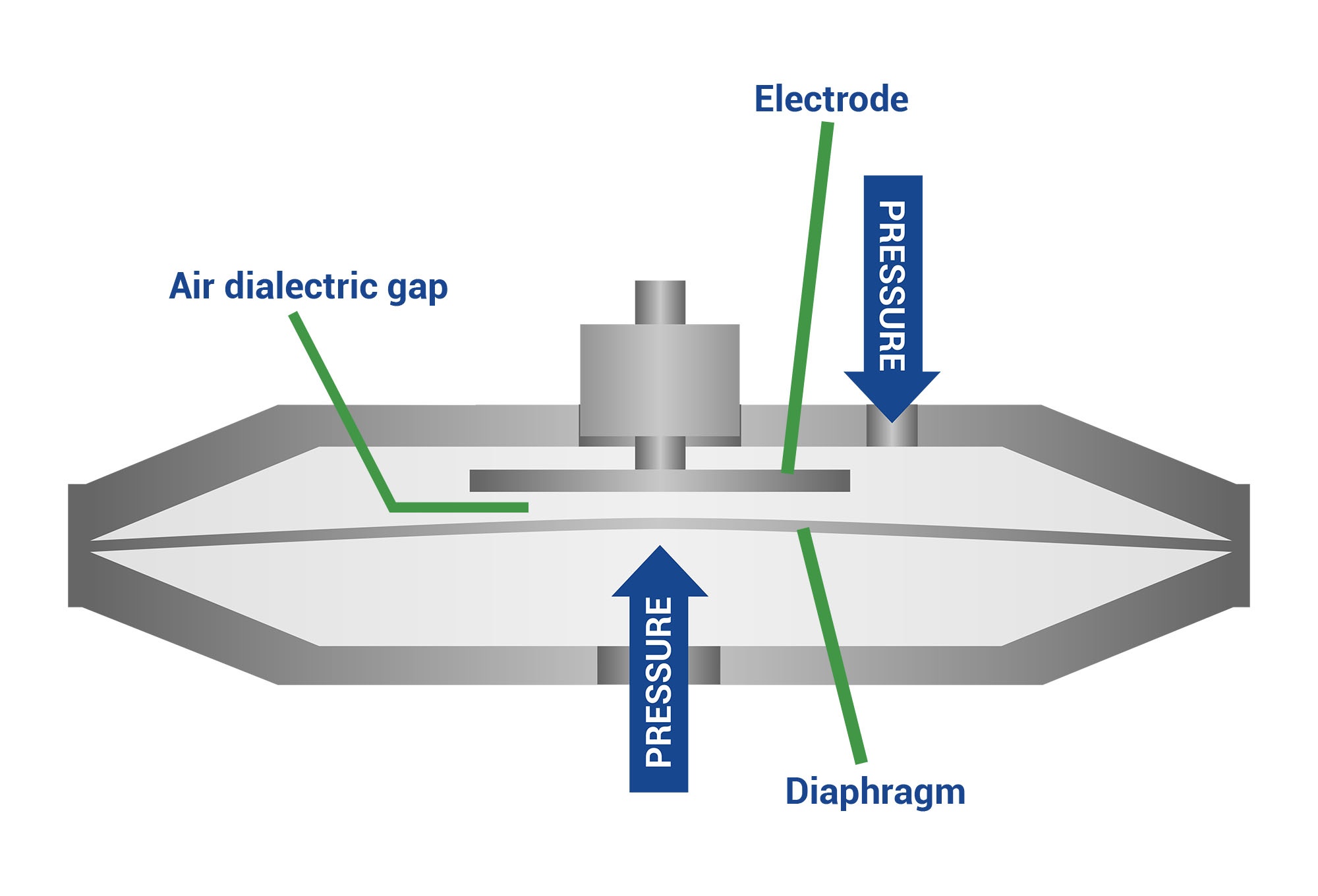
In many pressure sensing applications, high accuracy is a must-have. Whether you’re working with thousands of PSI or only a quarter inch of water column, the most demanding jobs require the best tools available. While there are many types of pressure sensing devices on the market, none quite match variable capacitance transducers in terms of accuracy and quality.

May 15, 2017
What is Submetering?
Submetering is the installation of metering devices with the ability to measure energy usage after the primary utility meter. Submetering offers the ability to monitor energy usage for individual tenants, departments, pieces of equipment or other loads individually to account for their actual energy usage. With submetering, a clear and accurate picture of how and when energy is being consumed inside a facility is created.

The Internet of Things (IoT) is changing the way people run their homes. More and more devices are becoming available to consumers that allow them to automate their thermostats and regulate their power consumption, often-times controlling these systems from the phone in their pocket. Products like the Nest thermostat and the Sense home energy monitor provide homeowners convenient tools that also help save utility costs.
Building Automation
In commercial and industrial buildings, there are similar (albeit far more robust) systems and protocols used for the same purposes called building automation. Building automation is the automatic and centralized control of a building’s heating, ventilation, air conditioning, security, electrical, and other systems through a Building Automation System (BAS).
May 01, 2017
What is absolute pressure?
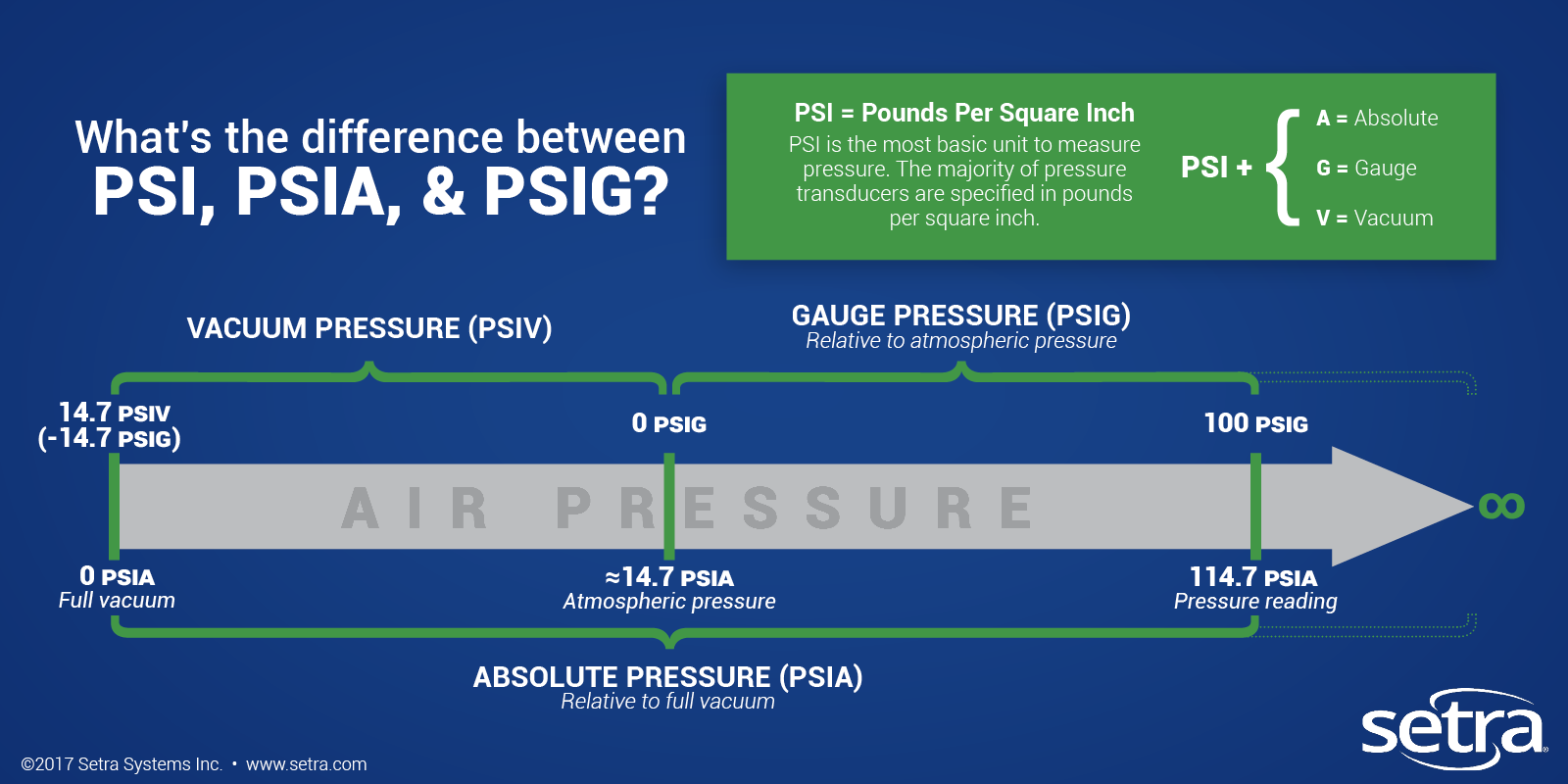
Absolute pressure is the pressure measured relative to a perfect vacuum, which is considered absolute zero pressure. This means it includes the atmospheric pressure in addition to the pressure of the system being measured.
An incredibly diverse array of applications require the measurement of air pressure. Depending on the application, users need to be able to interpret pressure readings in different ways and use appropriate units to reflect those readings accurately.
Absolute Pressure Defined
Absolute pressure is measured relative to a full vacuum. In contrast, the pressure that is measured against atmospheric pressure (also known as barometric pressure) is called gauge pressure. A full vacuum has an absolute pressure reading of 0 PSIA and the average barometric pressure at sea level is ~14.7 PSIA.
April 27, 2017
What are the different methods of low pressure calibration?
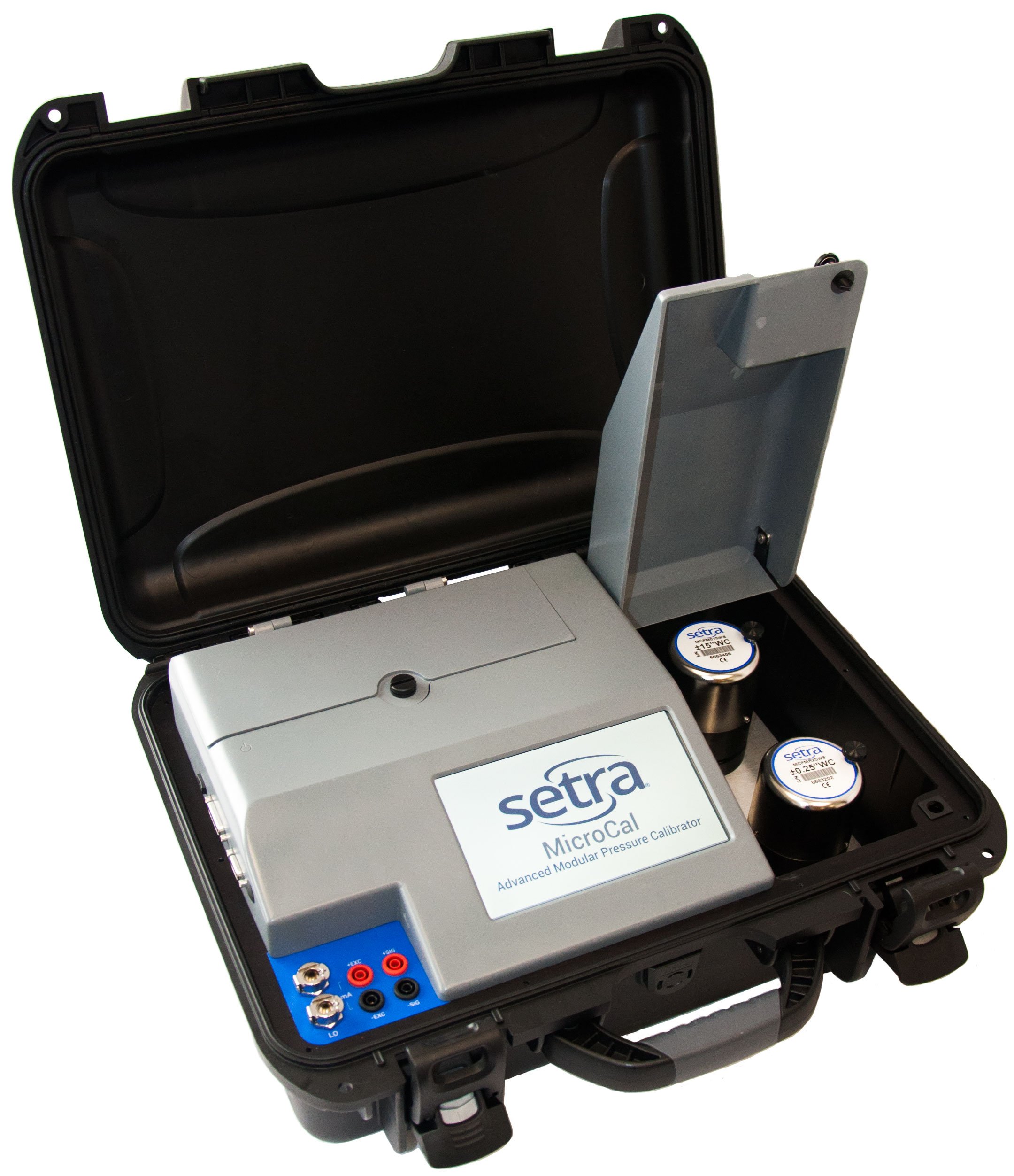
Ensuring the accuracy of transducers used in the measurement of room pressure in critical environments is extremely important in order to maintain patient safety. Because the differences in measured pressure are so small (only fractions of an inch of water column) calibrating these devices can be very tedious and usually difficult to perform without the right tools and processes.
In general, there are two industry standard methods of low pressure calibration: hand pump calibration and automated calibration.

The Joint Commission (TJC) is a non-profit organization that evaluates and accredits healthcare organizations in the United States, ensuring that hospitals and other medical facilities are providing safe and high-quality care to their patients. Inspections occur every three years and take between 2 to 3 days. In most jurisdictions, Medicare and Medicaid funding is contingent on accreditation by TJC.
One of the most important standards scored in a Joint Commission evaluation is room pressurization (EC.02.05.01). According to ASHRAE Standard 170 (used specifically by TJC as its standard), over 60 different areas of concern within a facility need to be either positively or negatively pressured. Pressurization in these spaces is tested simply by holding a tissue at the bottom of a door and determining whether the tissue is blown back away or sucked towards the gap.
March 31, 2017
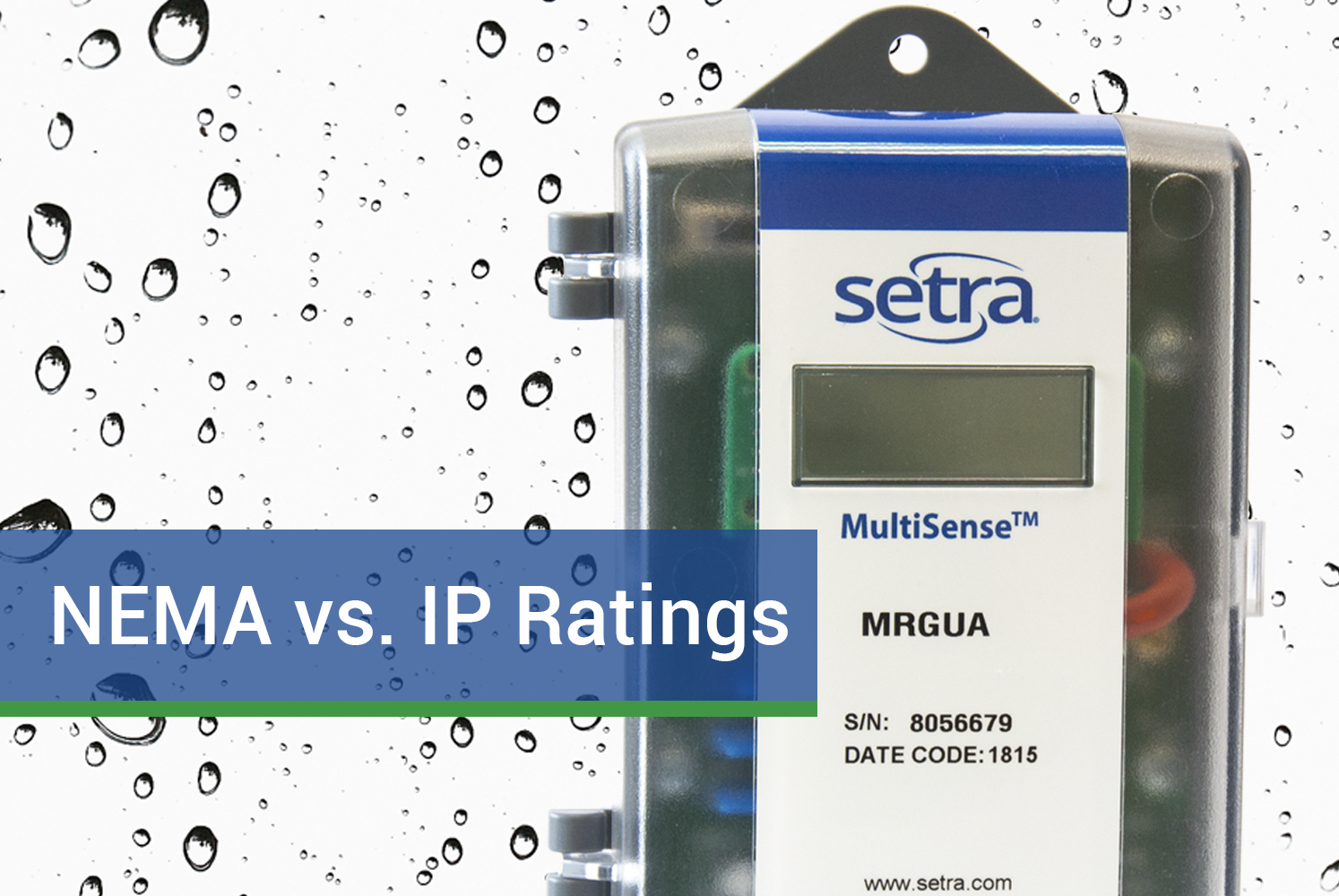
What is the difference between NEMA and IP ratings?
In manufacturing, there are two standards used to measure the different grades of electrical enclosures and how resistant they are to the ingress of certain materials. NEMA ratings and IP ratings both define degrees of protection against substances such as water and dust, but use different test methods and parameters to define their enclosure types (NEMA 250 and IEC standard 60529).

March 31, 2017
What is Capacitance?
Capacitance is the ability of an object to hold an electrical charge. Capacitors are components in an electrical circuit that can store a charge and are considered one of the three fundamental electronic components along with inductors and resistors.

March 27, 2017
What is Barometric Pressure?
Simply put, barometric pressure is the measurement of air pressure in the atmosphere, specifically the measurement of the weight exerted by air molecules at a given point on Earth. Barometric pressure changes constantly and is always different depending on where the reading takes place.

March 13, 2017
Why you should get rid of your air flow indicator
Many environments within a health care facility require pressure monitoring in order to protect patient health. Even spaces like hospital linen closets require some sort of indicator of positive or negative differential pressure.