



LEED, the Leadership in Energy and Environmental Design, is the largest driving force behind the increased development of green buildings in the world. One of the most important factors that LEED uses in their certification process is energy consumption and the owner’s ability to track usage and identify potential savings. While most conventional buildings have simple meters provided by the utility company for billing purposes, the advanced standards for LEED certification require more robust and more precise monitoring capability.
June 12, 2017
What is a Vivarium?
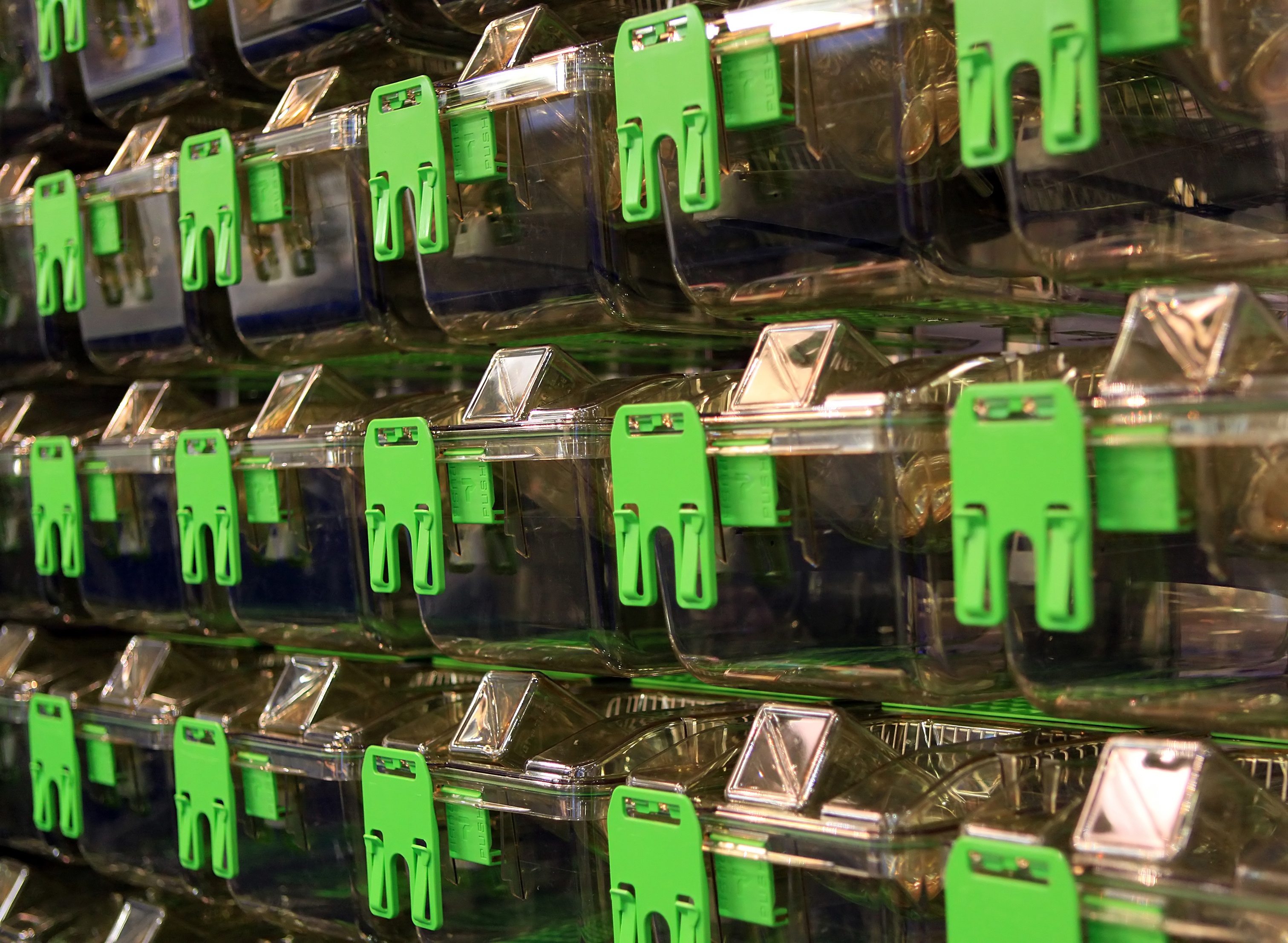
To most people, the term “vivarium” conjures up the image of a small fish tank-like glass box where a pet rat or gecko lives. While this is not incorrect, vivariums in biomedical research facilities are a bit more robust than what you might see in a high school science lab.
Continue Reading →
Vivarium Defined
Vivariums are enclosed areas designed to provide a stable environment for animals and plants for observation or scientific research. Often, vivariums contain a portion of an ecosystem for a particular species with controlled environmental conditions on a smaller scale. A vivarium you would find in an academic research setting contains multiple racks of various sizes depending on the species it contains.
June 08, 2017
What is Total Harmonic Distortion?
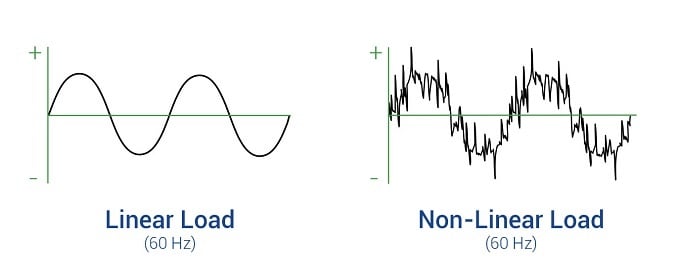
Imagine a tone being played by two musical instruments - let’s say middle C (261.63 Hz). While the pitch played on a piano may be the same as on an electric guitar, its timbre is very different. The sound wave generated from a piano or a simple synthesizer is relatively simple and clean, but the sound wave coming from an electric guitar is often very distorted for effect and contains natural harmonic overtones.
June 05, 2017
What is Hysteresis?
Hysteresis Defined
According to Merriam-Webster, hysteresis is the “lagging of a physical effect on a body behind its cause (as behind changed forces and conditions)”. When outside forces act on an object, that object will either immediately spring back to its original state, or more likely, it will somehow change or exhibit properties from previous deformations.
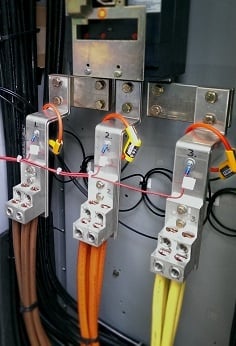
Understanding specific job requirements, such as performance, installation, amperage load and environmental factors is critical to selecting the proper current transformer for an application. Conventional current transformers (CTs) come with their limitations as they are difficult to install and are lacking in performance and measurement range. Rogowski coils have significant advantages with regards to installation, cost and performance.

Setra is best known for pioneering the variable capacitance principle, the technological innovation behind capacitance-based pressure transducers. Variable capacitance transducers demonstrate industry-leading accuracy especially in low pressure HVAC and critical care applications with accuracies as high as ±0.25” water column (±0.009 PSI).
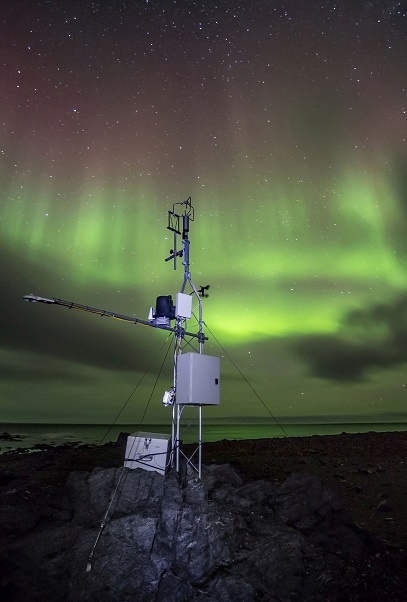
While changes in barometric pressure aren’t immediately obvious to human perception (except when your ears pop while hiking up a mountain), its effects can manifest themselves in many other ways. This is especially true in sensitive industrial and laboratory settings.
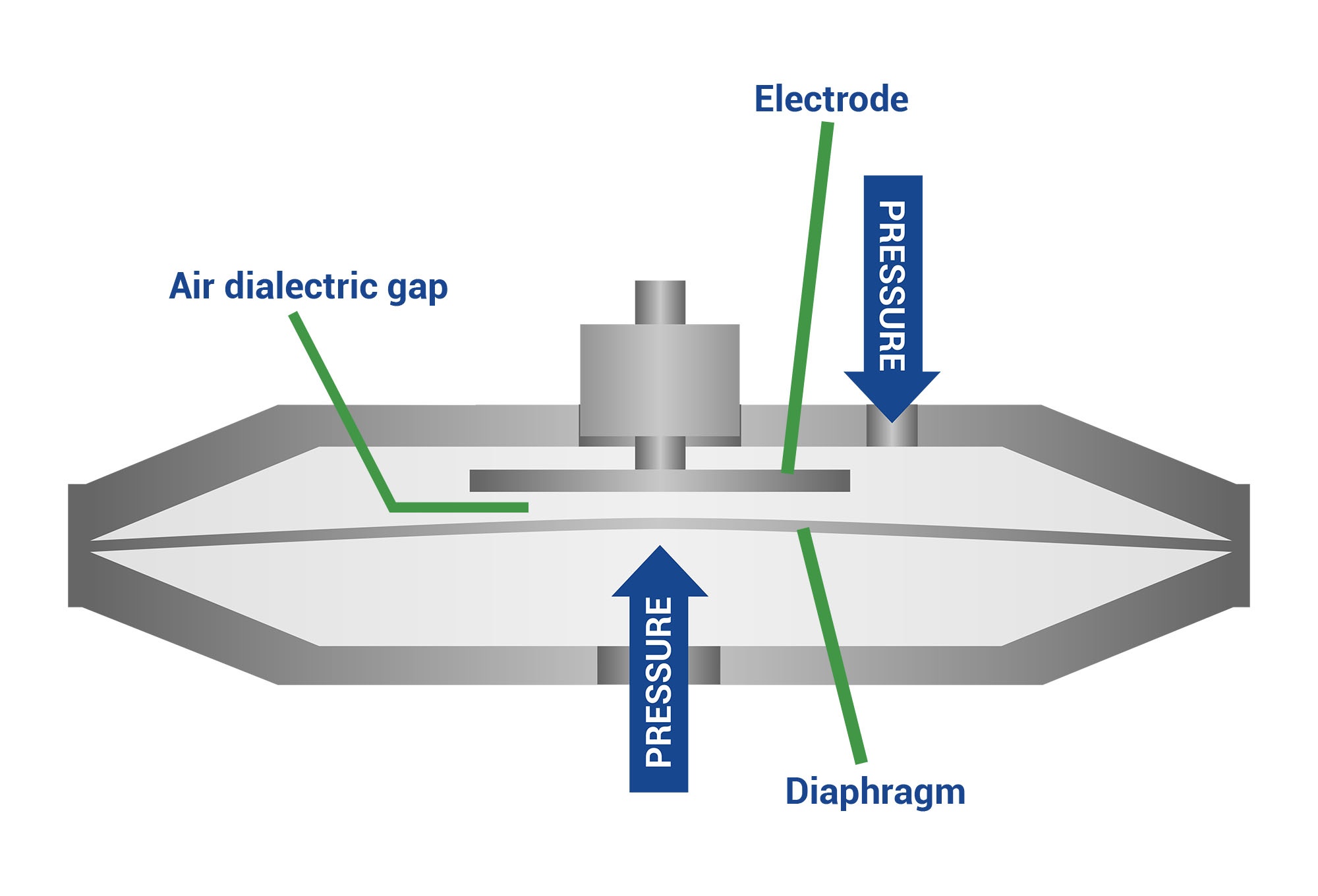
In many pressure sensing applications, high accuracy is a must-have. Whether you’re working with thousands of PSI or only a quarter inch of water column, the most demanding jobs require the best tools available. While there are many types of pressure sensing devices on the market, none quite match variable capacitance transducers in terms of accuracy and quality.

May 15, 2017
What is Submetering?
Submetering is the installation of metering devices with the ability to measure energy usage after the primary utility meter. Submetering offers the ability to monitor energy usage for individual tenants, departments, pieces of equipment or other loads individually to account for their actual energy usage. With submetering, a clear and accurate picture of how and when energy is being consumed inside a facility is created.
May 11, 2017
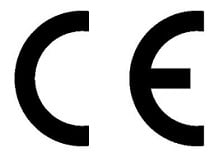
CE & RoHS Compliance: What you need to know
As of July 22, the RoHS exemption for industrial monitoring and control instruments will end. Non- compliant product cannot be CE marked and sold in the European Union or to customers who otherwise require the CE mark.