



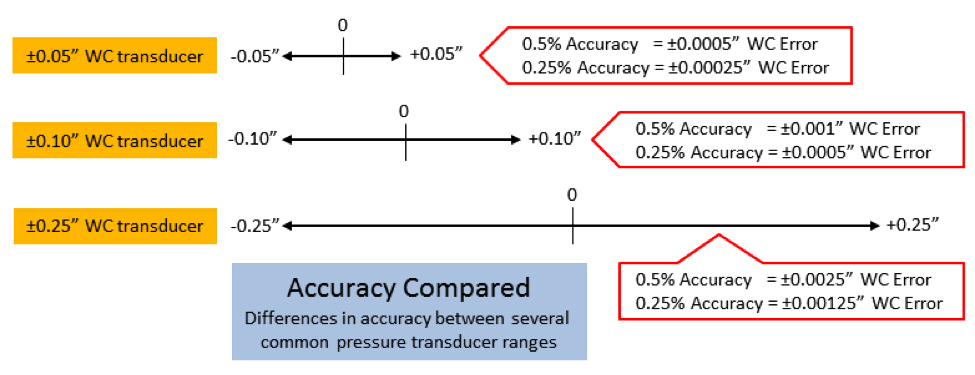
A frequent question asked about room pressure monitoring applications is “how much sensor accuracy do I need?” The most common thought is to order the most accurate sensor available. For a moment, consider all things are equal with regard to price. Is the best accuracy the best choice? Not always. It depends on the application.

November 16, 2015
How to Troubleshoot BACnet Communications
A common issue that users see is that a new device is added to a network but is not communicating with the segment or has intermittent communication. Troubleshoot BACnet communication problems through the following steps:
November 12, 2015
Room Pressure Guidelines in Healthcare
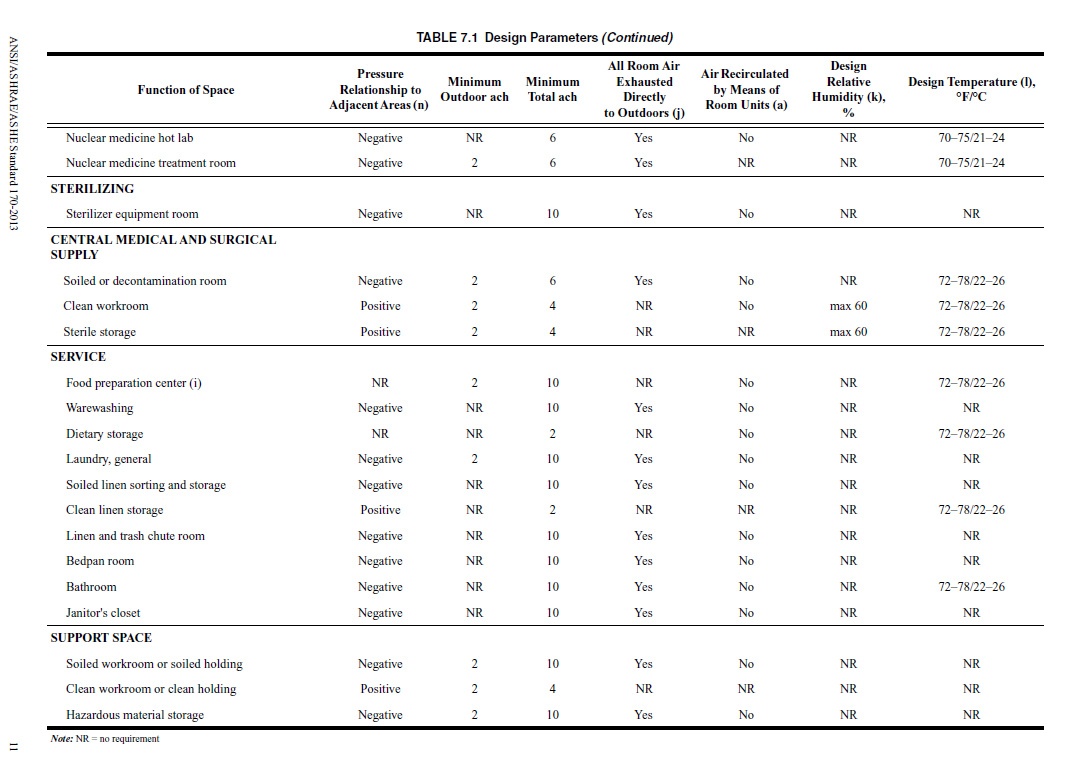
Hospitals and outpatient facilities serve a critical need in global communities. They provide emergency care for the sick, but we also rely on them as a safe zone for treating communicable diseases and keeping the public safe. Pressurized rooms in these special buildings are designed to contain dangerous airborne contaminants, such as tuberculosis, aspergillus, and vaporized cough. When properly pressurized, these rooms protect the most vulnerable patients, and allow healthcare staff to safely treat highly infectious cond
October 29, 2015
6 Things OEM Design Engineers Need to Know
Any design engineer must seriously consider the manufacturing environment when looking to select a pressure transducer for inclusion within a refrigeration chiller, pump, engine test equipment, or other machinery. The life of a pressure transducer is proportional to the system design and assembly process.

October 19, 2015
How to Troubleshoot 2 & 3 Wire Circuits
The following steps clearly indicate the exact sequence to properly troubleshoot a Setra 2 wire, mil-amp circuit. You must work with the assumption that either the Setra product or the system & circuitry is bad.
October 15, 2015
Accuracy: End Point Method vs. Best Fit Straight Line Method
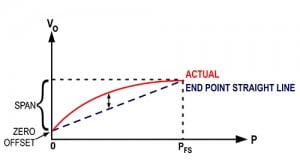
Which method provides better accuracy? Non-linearity as the End Point Method is the relationship of the calibration curve to a specified straight line through its endpoints (i.e. Zero and Full Scale). Best Fit Straight Line (BFSL) method is the relationship of the calibration curve to a calculated straight line that minimizes the error but does not pass through the end points. BFSL method effectively cuts the end point value in half.

August 27, 2015
Energy Management: A Little Awareness Can Go a Long Way
Knowledge is power. This statement has been thrown around a lot, but it really holds true. Being aware and having insight can lead to being proactive instead of reactive. Knowing the facts about an issue can not just fix them but give lasting solutions. One issue that greatly impacts the majority of the world is energy usage. With resources being depleted every year, energy monitoring allows for consumption awareness on any kind of level.

This year's NCSL International Workshop and Symposium took place July 19th through the 23rd in Grapevine, TX, which brought together measurement industry professionals and thought leaders under one roof. The theme for the 2015 NCSL International Workshop & Symposium focused on “Measurement Science and the Quality of Life", which emphasized the role measurement science plays

August 20, 2015
10 Questions To Ask Before Selecting a Humidity Sensor
When selecting a relative humidity (RH) sensor, there are many factors to keep in mind that can contribute to longer product life and a successful project. Being aware of the environmental conditions where the sensor will be installed can help determine the correct product specification for the sensor. Every application has its own challenges and requirements. To ensure that you choose the correct RH sensor for your application, ask the following 10 questions:
1. What RH range do I need to measure?

August 06, 2015
3 Reliable Methods of Medical Sterilization
One of the most vital processes within critical environments is the sterilization of medical tools and devices. Patient safety relies heavily on the efficiency and reliability of sterilization devices. Contaminants can become highly resistive to disinfection, which results in the need for high performance sterilization methods that will ensure sterile equipment. Three primary methods of medical sterilization occur from high temperature/pressure and chemical processes.