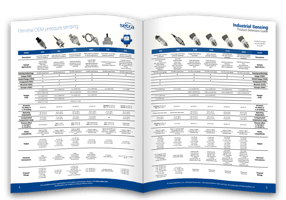




Hydrogen is the most plentiful element in the universe and is now becoming a viable fuel source for many applications. Due to its efficiency and low environmental impact, the interest in hydrogen being the "fuel of the future" continues to grow. The many features and benefits to hydrogen make it an ideal choice for many up-and-coming industrial applications. A few of the more common applications are:
November 02, 2016
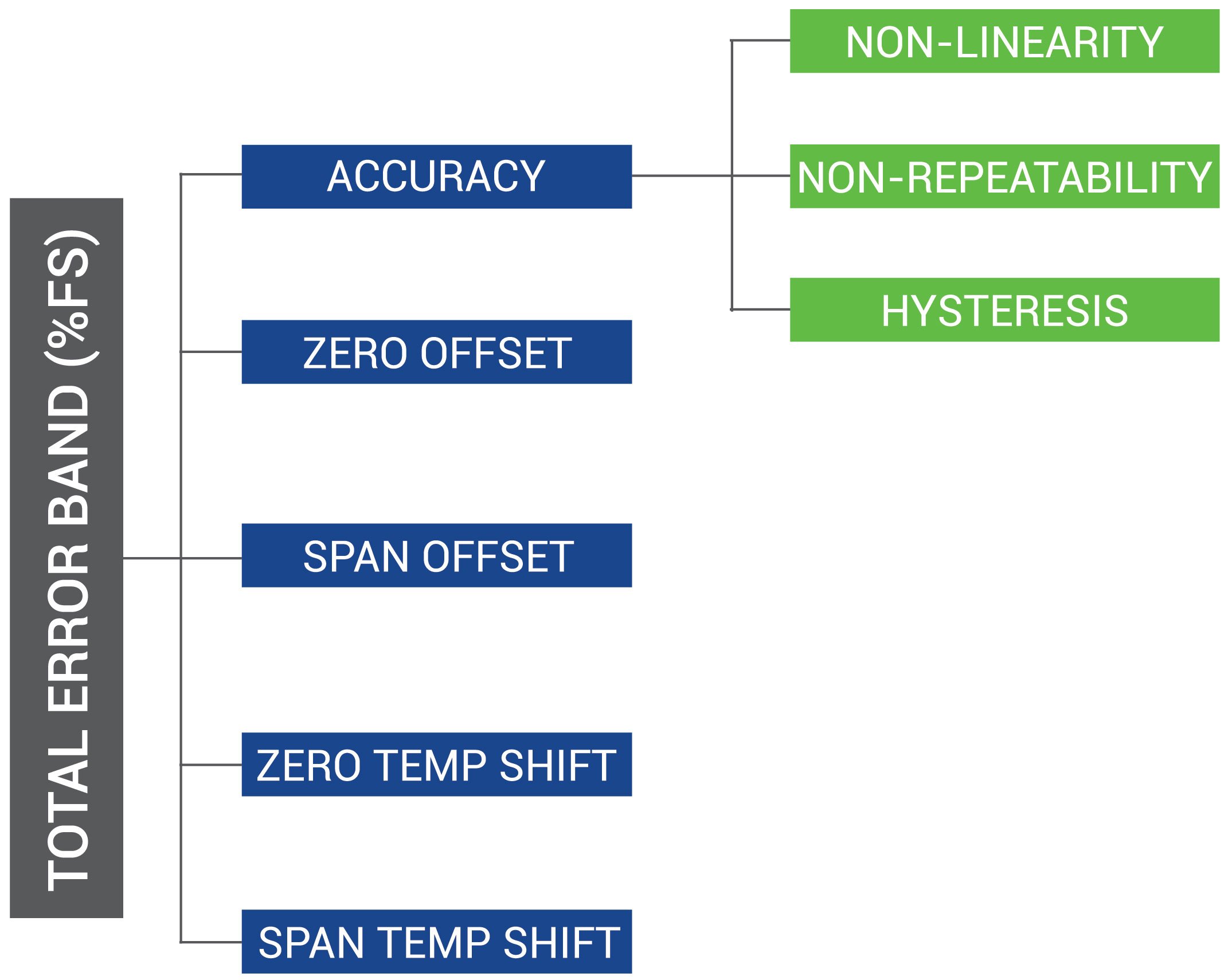
What is Total Error Band & How do You Calculate It?
Total Error Band (TEB) is a measurement of worst case error; it is the most comprehensive and concise measurement of a sensors true accuracy over a compensated temperature range. TEB is extremely important to know when trying to determine how well a sensor will work within a particular design system. By calculating TEB you'll be able to understand the different possibilities for error. Formulating TEB can be tricky if you don't have the right inputs readily available.

October 31, 2016
Make Halloween Spookier with Pressure Transducers
Happy Halloween From Setra
Have you ever wanted to build your own Haunted House or Spooky Trail?
I'm sure we've all thought about it one time or another. You know what I'm talking about. Places like amusement parks, fairs, or even a homemade one that your “Halloween Crazed” neighbors down the street built themselves. But how do they work?
October 27, 2016
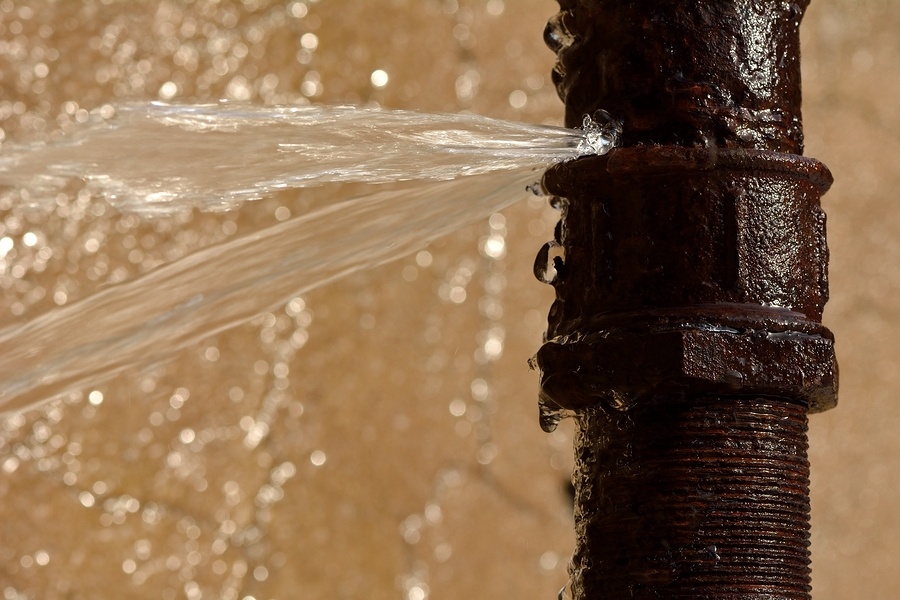
What is the difference between Proof and Burst Pressure?
Proof pressure and burst pressure are critical specifications for pressure sensors and other pressure-related devices, but they serve different purposes.
Typically, there are many different pressure specifications indicated on a pressure transducer data sheet. Interestingly enough, two of the most important pressure specifications are often easily overlooked; proof and burst pressure. Selecting a pressure transducer without noticing these pressure ranges is one of the top reasons for transducer failure. Both pressure specifications are considered to act as an upper limit for the device’s operating range. So, what exactly is the difference between proof and burst pressure?
October 20, 2016
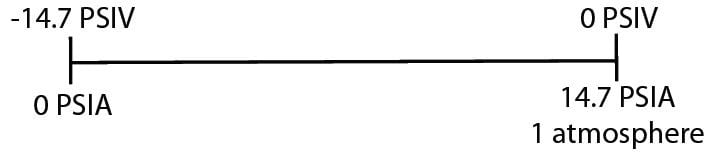
What is Absolute Pressure?
Absolute pressure is measured relative to a full vacuum (0 PSIA = 14.7 PSIV). The electrical output of an absolute pressure transducer is 0 VDC at 0 PSIA and full scale output (typically 5 VDC) at full scale pressure (in PSIA). PSIA (pounds per square inch absolute) is a unit of pressure measured relative to a full vacuum. A vacuum can refer to any pressure between 0 PSIA and 14.7 PSIA.

October 17, 2016
4 Considerations For Low Pressure Measurements
Low pressure measurements are required in various applications such as air flow, static duct and cleanroom pressures in HVAC and energy management systems (EMS). Other applications include use in medical instrumentation, environmental pollution control, boil combustion efficiency and a wide variety of research and development requirements. Although the focus will center mainly on air flow and pressure, the same principles
October 03, 2016
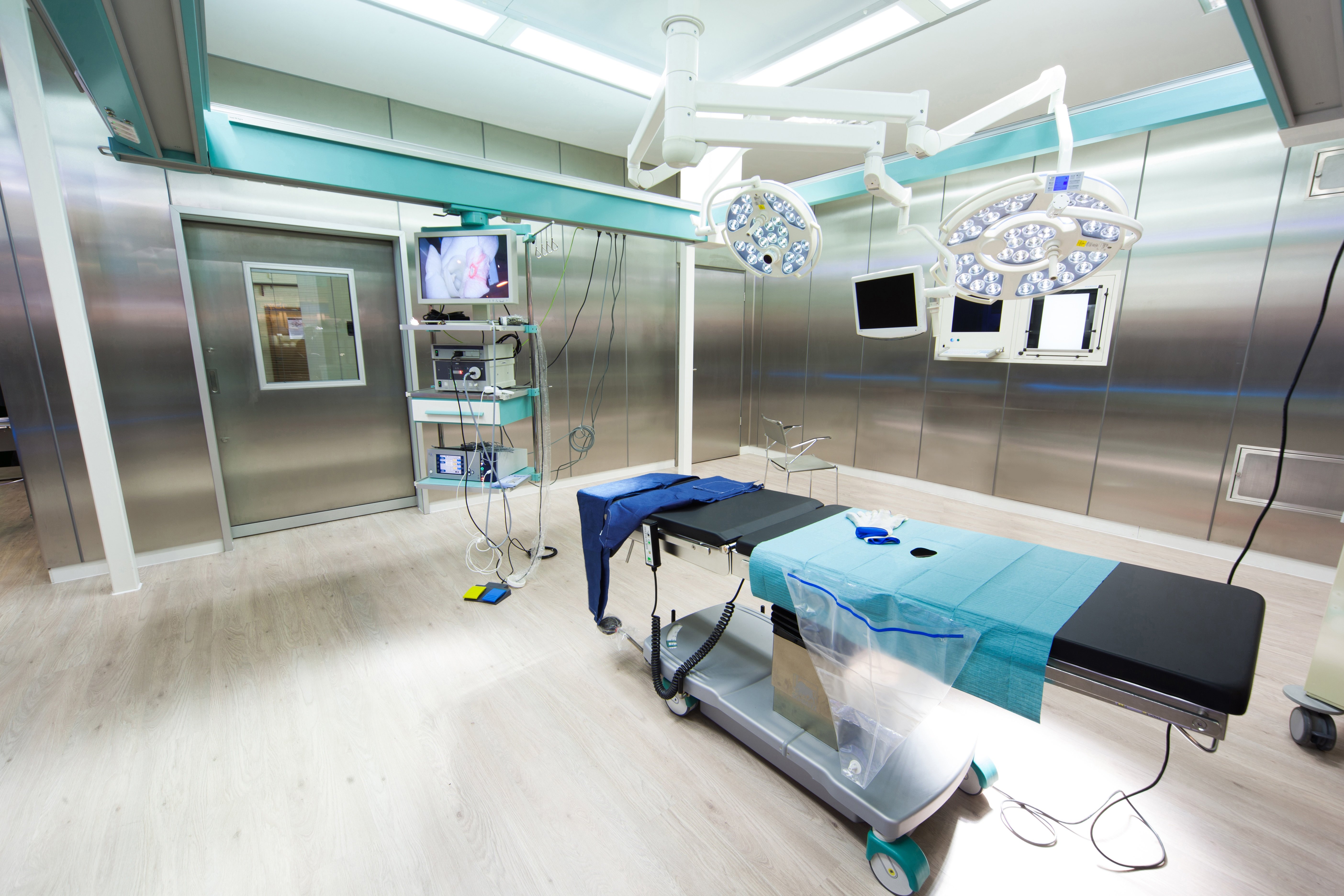
How do I pressurize an anteroom?
There are several techniques for managing safe and reliable pressurized rooms in healthcare and laboratory applications. When anterooms are present, such as those used for isolation rooms and pharmacies, it is not always clear how the anteroom should be pressurized in relation to the adjoining room and hallway.
September 29, 2016
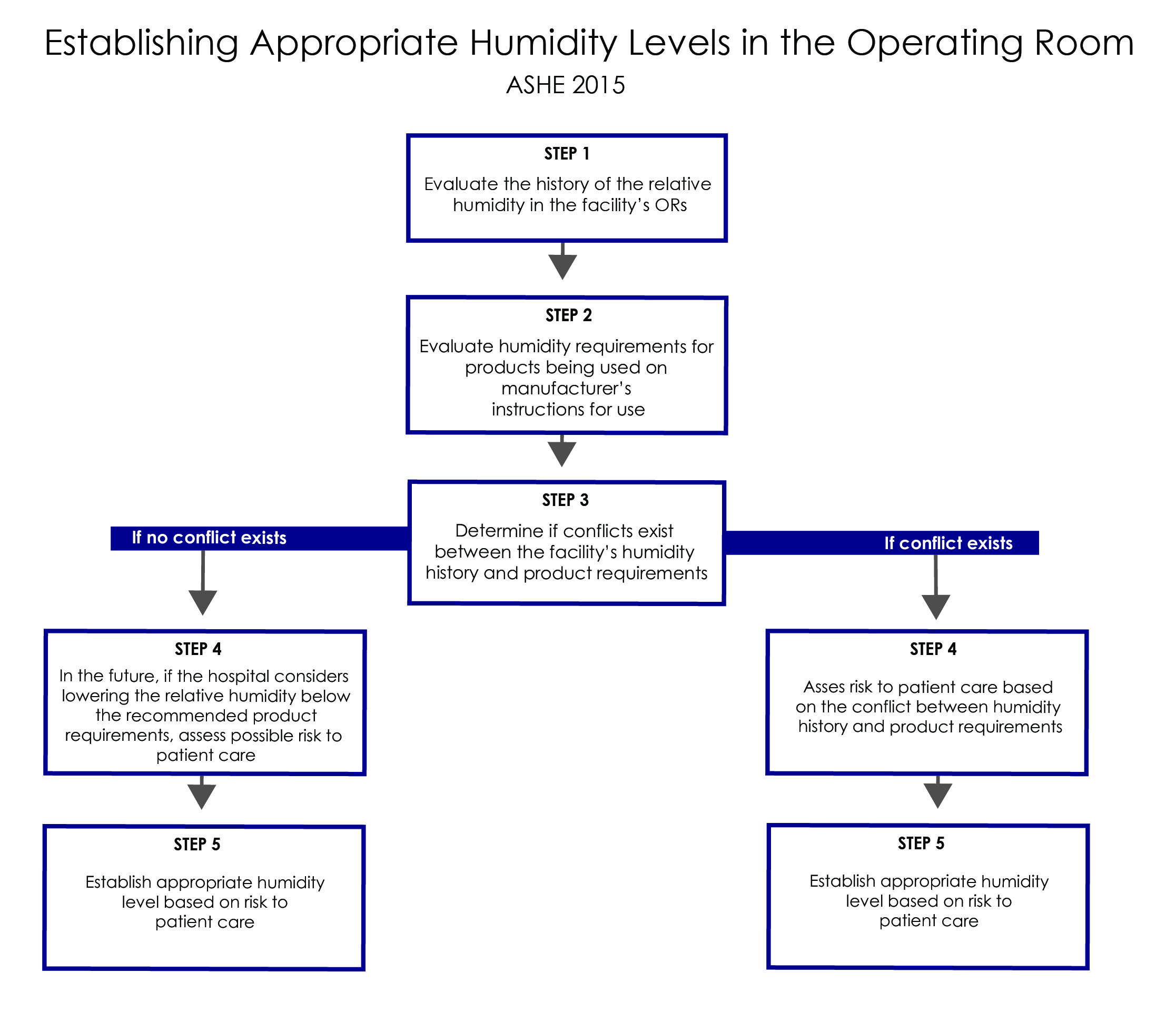
Guide for Establishing Relative Humidity Levels in Operating Rooms
Successful surgery depends not only on the performance of medical professionals, but also on the integrity of the environment. Relative humidity is a critical component in maintaining the safety and performance of an operating room (OR).

September 19, 2016
What Can Affect A Sensor’s Accuracy?
Selecting the correct accuracy for your sensing application is only half the challenge; being able to maintain that level of accuracy over time is equally important. To clarify on what we mean by the accuracy, we define it as the maximum difference between the actual value and the sensor’s output (in terms of %FS). Maintaining a sensor’s accuracy is difficult. Users face the issue of a sensor going out of tolerance and are unaware of the root causes. Depending on the level of accuracy required by the application, the consequences of imprecise accuracy can vary. For example, an isolation room requires a high level of accuracy to protect both the patients’ and medical professionals’ health and safety. If a room pressure monitor provided doctors and nurses with an incorrect sensor output, they can make incorrect judgments such as walking into a improperly labeled space. Based off of the inaccurate sensor output, doctors and nurses can also accidently release harmful contaminants into the rest of the hospital without a proper alarm notification.

September 15, 2016
What Causes Sick Building Syndrome?
After understanding the basis of sick building syndrome, recognizing the root causes for the syndrome is the next step for prevention or treatment. By properly identifying the root causes, suitable countermeasures can be constructed. Causes for sick building syndrome can be classified into three categories: